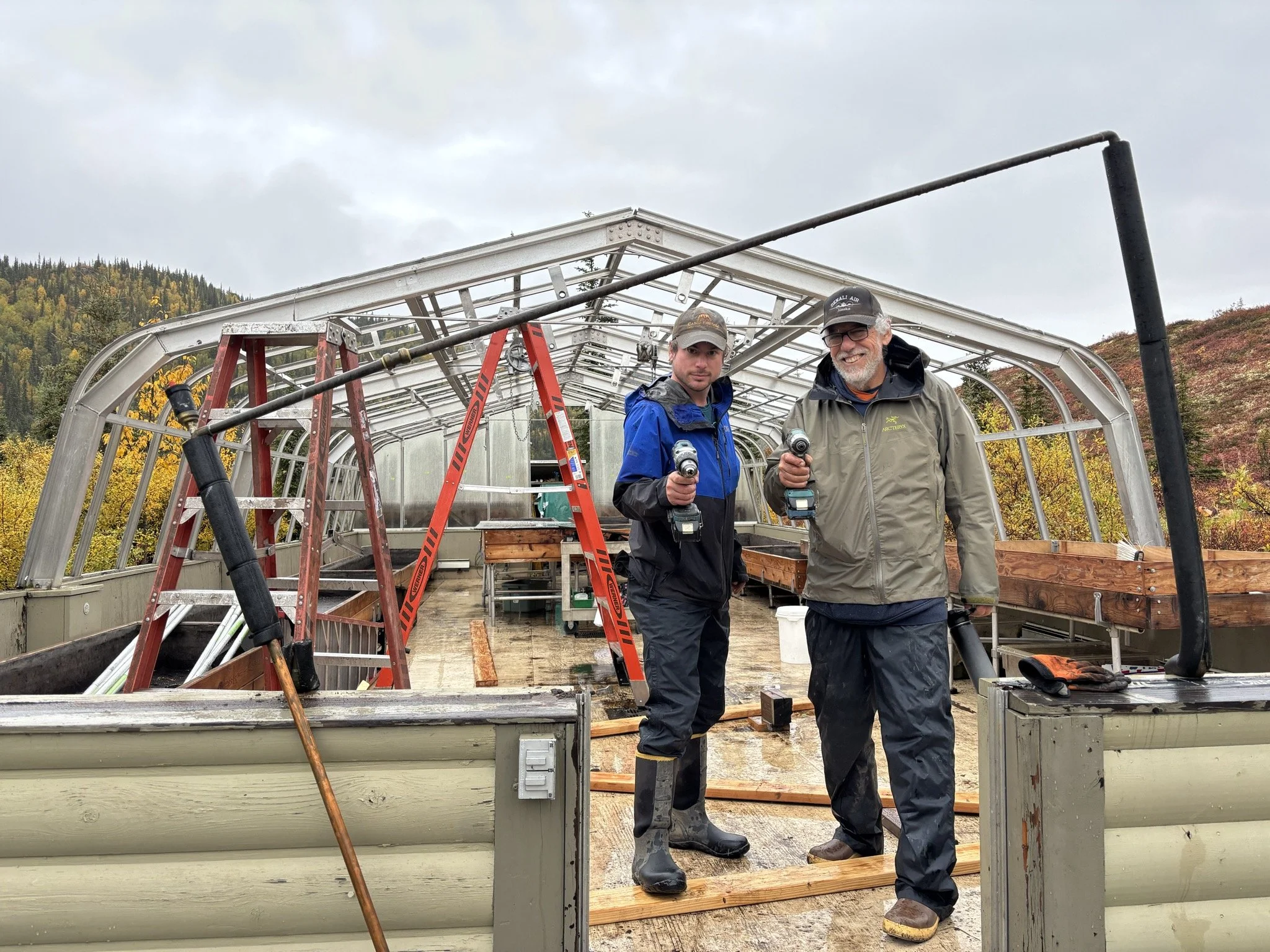
Where a Seasonal Worker Finds Home on the Tundra
Imagine working in a place where the beauty of the landscape is mirrored in the community we foster.
-E.O., Employee
Living at Camp Denali
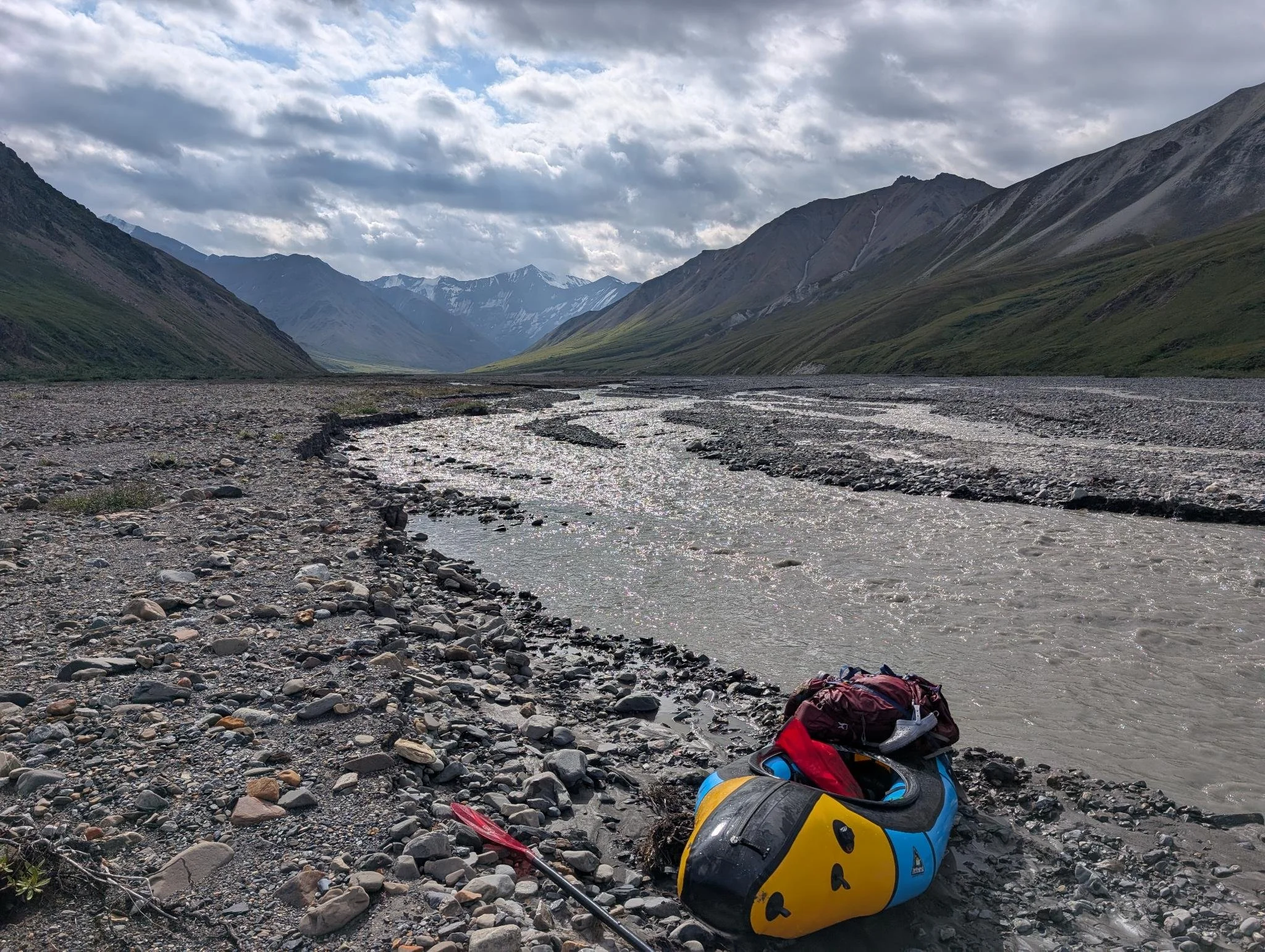
Situated in the heart of Denali National Park, our remote location defines our community and informs our uniqueness. Camp Denali is two miles past Wonder Lake, near the end of the 92-mile Denali Park Road.
Due to a road closure at mile 43, we are operating as a fly-in lodge until the Park Road reopens. Staff remain onsite for the duration of the season, but have a six-million-acre park to explore. Camp Denali is the only lodge inside the park with a view of the Alaska Range on a clear day.
In our local area, we don't have restaurants, bars, movie theaters, or convenience stores. Camp Denali creates a community that welcomes and appreciates do-it-yourself fun and adventure. The great outdoors usually plays a significant role in staff members' days off. Staff are surrounded by many summers' worth of outdoor adventures and activities—day hikes, overnights with a backcountry camping permit, canoeing on Wonder Lake, fishing, riding bikes, swimming, birding, botanizing, joining a naturalist-guided outing with guests, and more.
Room & Board
While privacy can be difficult to find on campus, having a 6-million-acre National Park on your doorstep will provide ample opportunity to get away from it all.
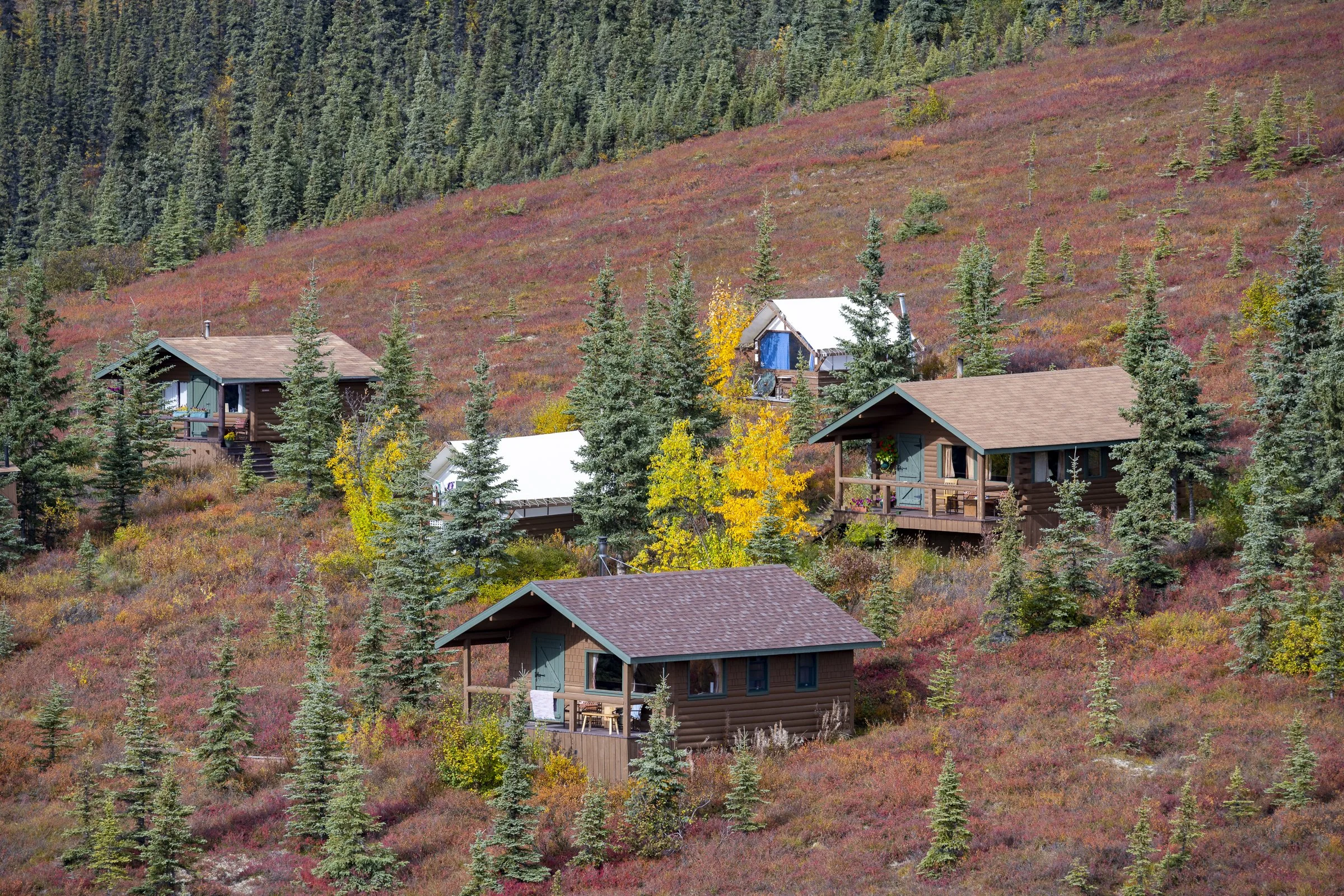
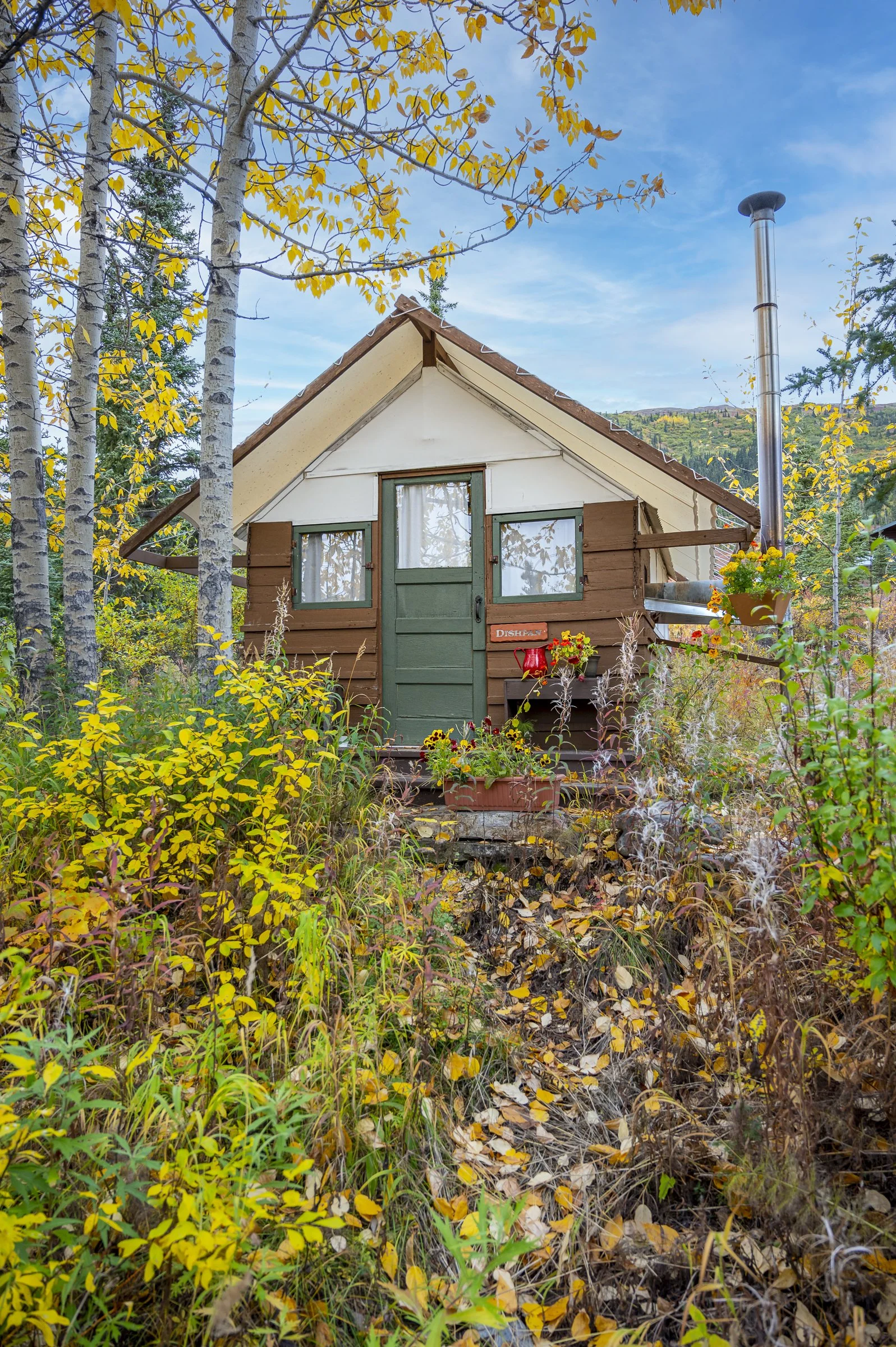
Life at Camp Denali means living simply, closely connected to both nature and your coworkers. All new staff and most returning staff share housing with one or two roommates. Accommodations vary—from bunks in tent-frame cabins to shared one-room cabins. Each space is basic but comfortable, with a bed and storage for your belongings. Outhouses are a short walk away, and showers are shared among the staff.
Because our facilities are communal (and in some cases shared with guests), everyone plays a role in keeping them clean and ready for the next person. Flexibility is key—we assign housing thoughtfully and fairly, but spaces are limited, and neighbors may be close. Some cabins are near guest areas or workspaces that operate at unusual hours, so earplugs can be a helpful companion.
While work is central to life here, so is community. Staff often enjoy time together exploring, playing music, or sharing stories, but we are mindful that our after-hours activities don’t affect the guest experience. Camp Denali maintains a drug-free workplace, and social life here isn’t centered around alcohol. Instead, you’ll find camaraderie, shared adventure, and a supportive team environment.
Room & Board
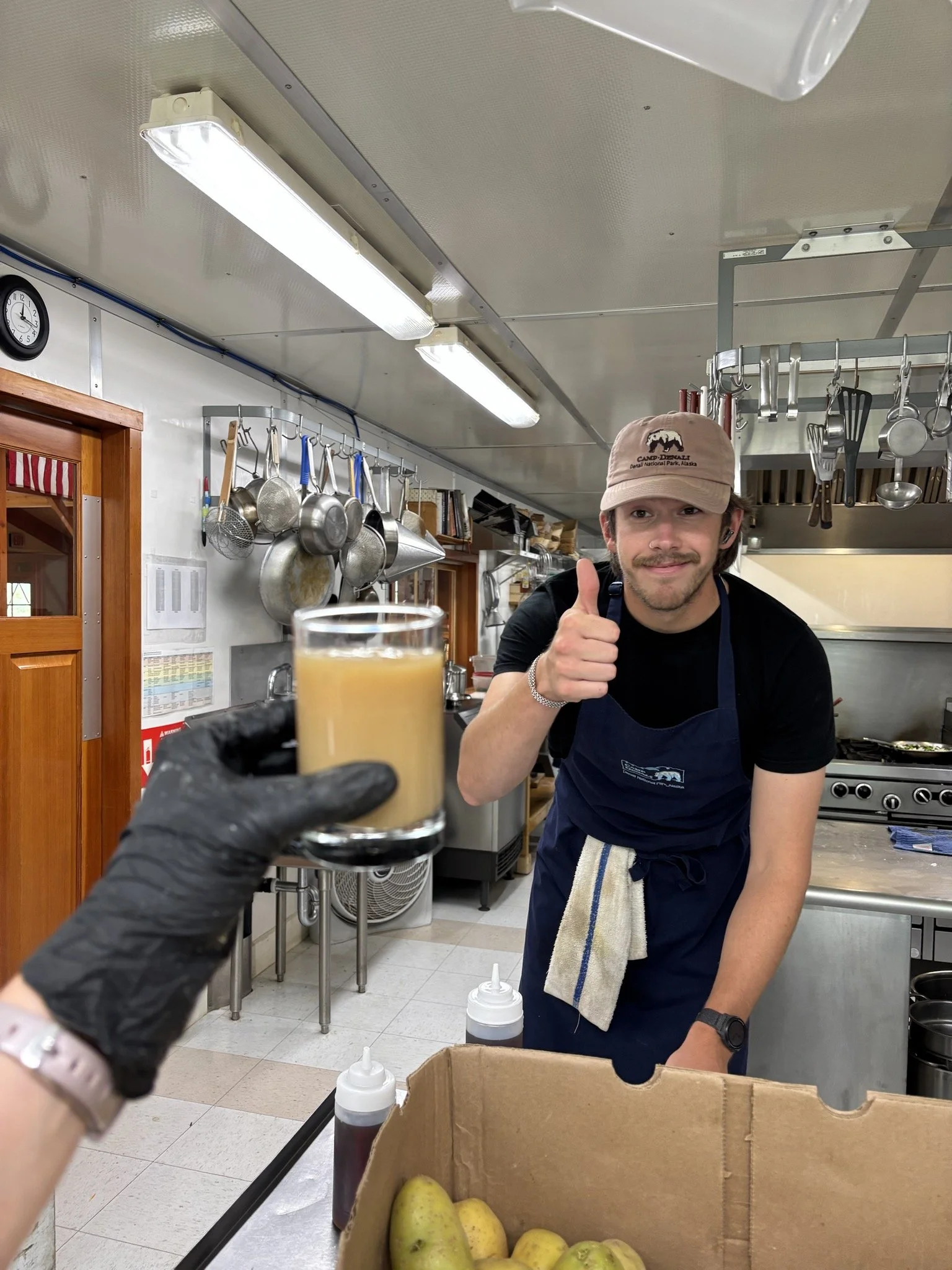
Three Meals a Day... and Then Some!
Three times a day, all summer long, you’ll sit down to meals prepared by the same talented cooks who feed our guests. Meals are served at set times, with lunches usually built from creative (and delicious) reimaginings of staff meal leftovers.
Food at Camp Denali reflects our values of sustainability and connection to Alaska. Our Executive Chef sources as much produce as possible from local, organic growers to supplement the harvest from our on-site greenhouse. All of our meat comes from Alaskan suppliers, and fresh vegetables, hearty grains, and snacks are always on hand to fuel long days and backcountry adventures. Staff also have access to Camp Denali's food for overnight trips into the backcountry.
We’re well-equipped to provide for dairy-free, gluten-free, vegetarian, and vegan diets, and can accommodate most serious allergies. If your needs fall outside these, we encourage you to reach out to our Manager, People & Culture in advance of your application.
The team finds Camp Denali's staff meals generous, nourishing, and hard to resist.
Location & Lifestyle
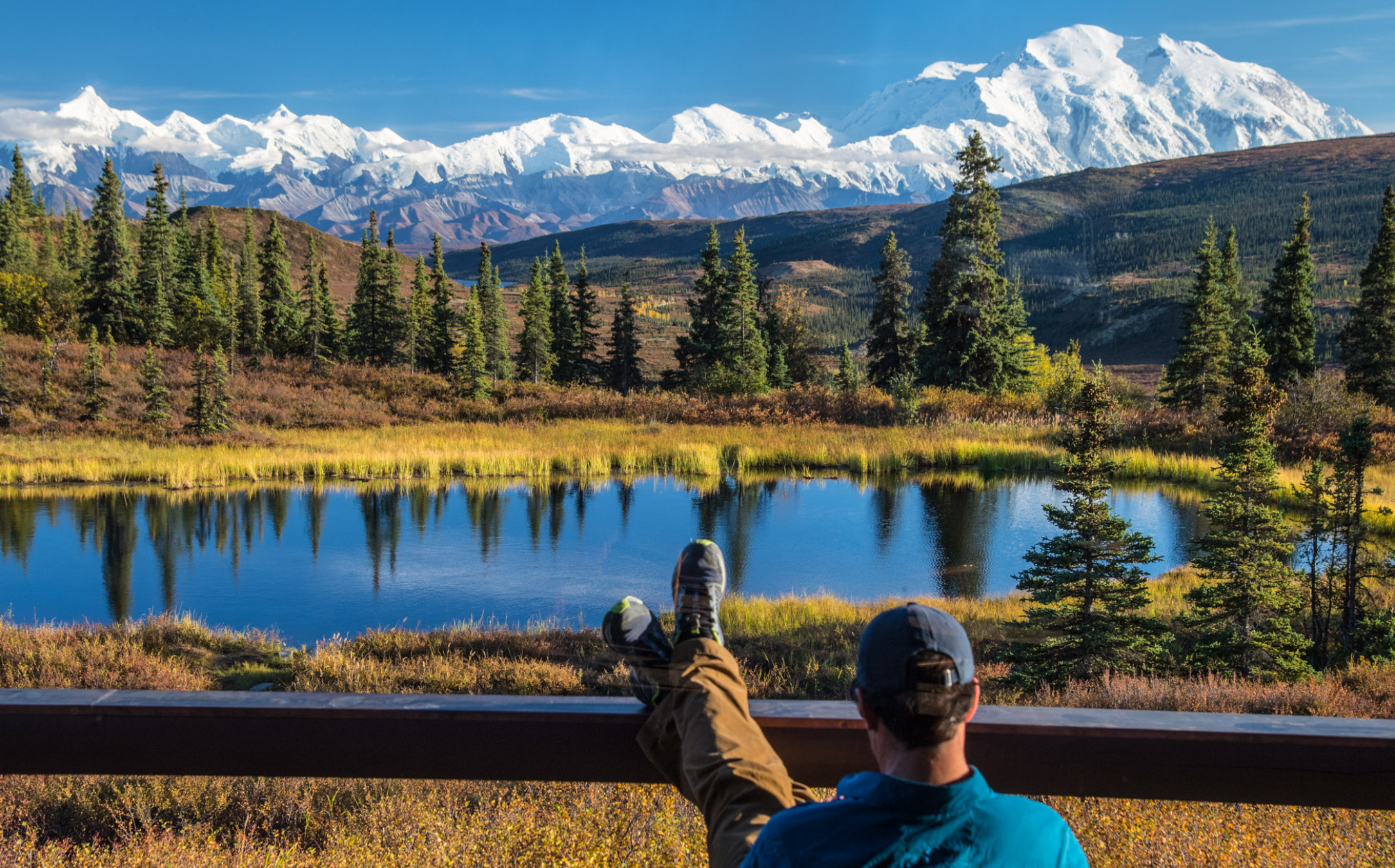
Camp Denali’s remote setting is at the heart of who we are. Nestled deep within Denali National Park—two miles past Wonder Lake and near the end of the 92-mile park road—our location shapes both our community and our way of life.
Life here moves at a slower, more connected pace. Walking is our main mode of transportation, with bikes and canoes available for staff use when not needed by guests. For longer adventures, staff can often join naturalist-led outings or catch a ride with those groups for independent hiking, when space allows.
Living and working in such a remote corner of Alaska is both a challenge and a privilege—one that fosters resilience, camaraderie, and a rare closeness to the wilderness.
Ready to Apply?
Since our inception, we have advanced organizations across sectors by pairing strategic insight with disciplined execution.
Frequently Asked Questions
-
Will I have a roommate?
Yes. All first-year staff and most returning staff share a room with one or two roommates. Housing assignments are made based on seniority and company needs, with preference given to supervisory and senior staff. A few single cabins exist but are in high demand among returning staff. Flexibility is key—living arrangements balance both individual and community needs.Can I bring my dog or cat?
No pets are allowed for seasonal staff. Year-round staff may petition the President to bring a well-behaved dog, provided it does not impact the guest experience or wildlife. Dogs must always be leashed or kept in living spaces. Cats are not permitted under any circumstances. -
Do I need to be worried about bears?
We live among wildlife, and occasionally bears pass nearby—especially during blueberry season. Denali has a strong record of safe bear management, and generally bears want nothing to do with us. A ranger provides bear-safety training during orientation, and staff have access to bear spray and horns for backcountry hikes.What is the weather like?
Unpredictable. Summer can bring sun, rain, frost, or even snow—sometimes all in the same day. Expect temperatures from below freezing in May and September to warm afternoons in June and July. Pack plenty of layers and be ready for anything.Is it really light 24 hours a day?
Around the solstice (June 21), yes—you can hike at midnight in broad daylight. Days shorten gradually through the summer, and by mid-September nights are dark enough for a chance at seeing the Northern Lights. -
Are meals provided?
Yes. Staff meals are prepared daily by our professional cooks, who also prepare guest meals. Expect hearty, sustainable food—local produce, our on-site greenhouse harvest, and Alaskan meats. Lunches often feature creative takes on leftovers, and snacks are always on hand.Can you accommodate a special diet?
Our kitchen regularly accommodates dairy-free, gluten-free, vegetarian, and vegan diets, as well as most allergies. However, we cannot provide for all personal preferences or highly complex diets. If you have dietary concerns, email the Manager, People & Culture before applying. -
Can I use marijuana on your property?
No. Although marijuana is legal in Alaska, it is illegal to transport it across federal land—including Denali National Park—making it inaccessible to our lodge. In addition, some positions (e.g., CDL drivers) are subject to random drug testing.How many hours will I work each week?
Most staff average 45–60 hours over five days per week during peak season. Some roles work longer shifts (11–12 hours). Overtime pay applies for work beyond 8 hours per day or 40 per week. Early and late season can be especially busy, sometimes requiring 7-day weeks. Staff usually receive two consecutive days off each week mid-season. -
Will I have cell phone or internet access?
There is no cell service at Camp Denali. Staff have access to one landline in a public space, though most staff use wifi-based phone calls (e.g. WhatsApp or FaceTime). Staff-only internet is available in the staff room (not cabins). Guest areas are internet-free, so staff use must remain discreet.How often can I go to town?
With the Park Road closed at Mile 43, access is only by air until at least 2027. Most staff spend the summer on-site, enjoying hiking, biking, and canoeing right out the back door. Trips out of Camp during the season are incredible rare and are typically only for emergencies.Can I go hiking and camping on my days off?
Absolutely. Staff are encouraged to explore the park. A ranger provides backcountry safety training each spring, and staff can borrow bear spray and other gear to get out into the backcountry.Can I use guest bikes and canoes?
Yes. Guests have first priority, but staff are welcome to use bikes, canoes, and fishing gear when available—usually there’s plenty of opportunity. -
IDo you hire J-1 or H-2B visa workers?
No. Applicants must already have legal authorization to work in the U.S.Can I apply with my significant other?
Yes. Each must apply separately. Note your partner’s name in your cover letter and whether you’d like to be considered together or independently.I’m a college student and can’t work the full season. Can I still apply?
Full-season availability is preferred, but exceptions are occasionally made for strong candidates. Be sure to note your availability in your cover letter.What do you look for in a Naturalist Guide?
Academic background in natural sciences (BS required, MS preferred) and professional guiding experience are required. WFR and CPR certifications are also required. Guides must be skilled at route-finding in trail-less terrain, leading groups safely, and teaching ecology in the field. Strong communication and professional guiding experience are essential.Can I be on the Operations Crew?
Yes, if you bring skills in trades such as plumbing, mechanical maintenance, construction, painting, or landscaping. You don’t need to know everything, but some relevant experience is expected.What do staff do in the off-season?
Staff pursue a wide variety of paths—some save money to travel or live simply, others work at ski lodges or in Antarctica, while some pick up flexible seasonal jobs like substitute teaching or holiday work. Staff are generous about sharing pro tips, contacts, and ideas.