
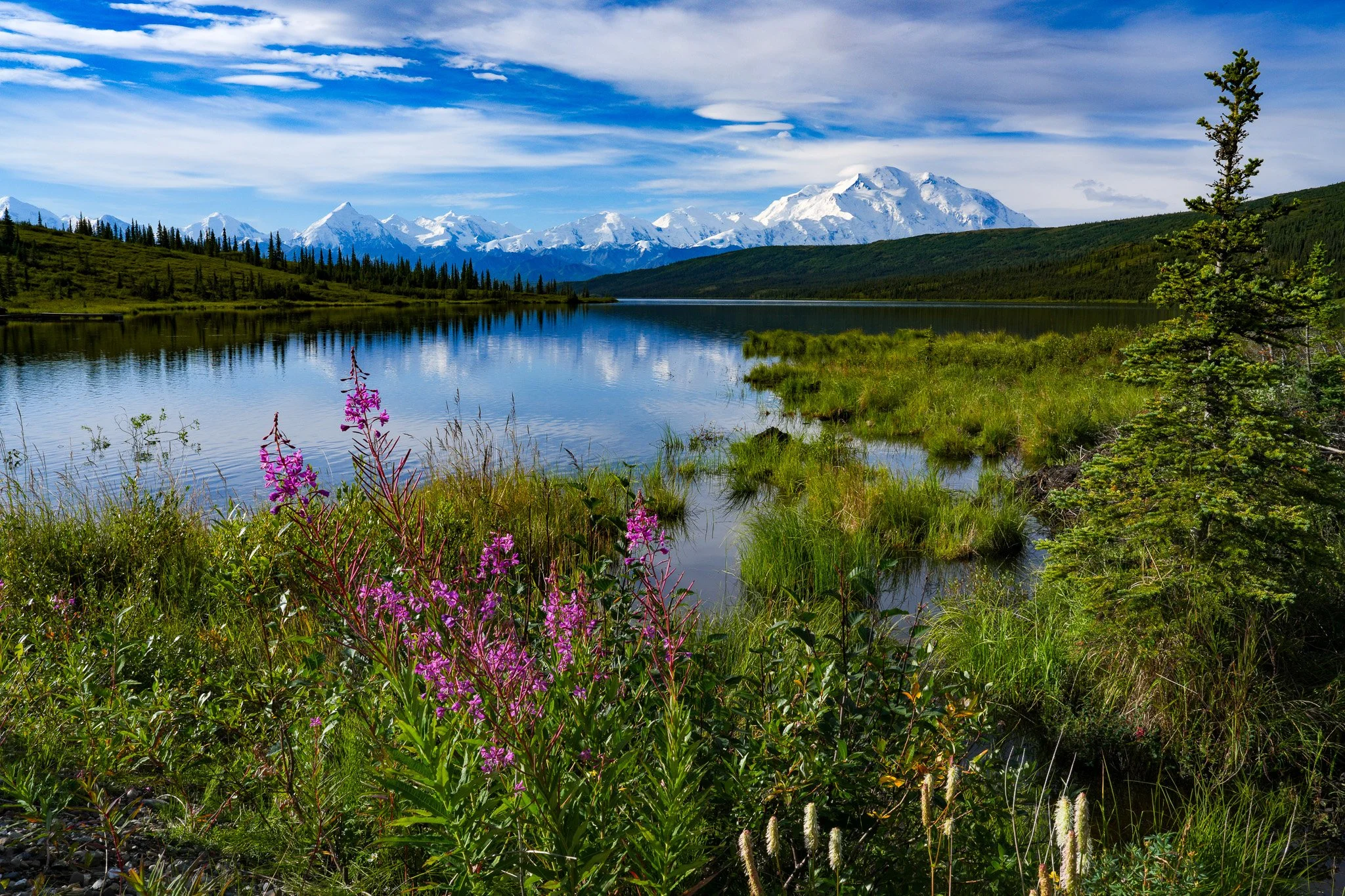
Let the Planning Begin
Planning an Alaska adventure can seem overwhelming, but we're here to make it easy. Below, you'll find everything you need to prepare for your stay, from choosing the best time to visit and getting to the Denali area to packing tips and other helpful travel information. And if you have questions along the way, our team is always happy to help.
Travel Logistics
Getting to Denali
Most visitors traveling to Camp Denali arrive via either Anchorage or Fairbanks. From both cities, there are several convenient ways to reach Denali. Popular transportation options include the Alaska Railroad, the Park Connection Motorcoach, and personal vehicles. Explore the details below to determine which option best fits your itinerary and travel style.
-
From Anchorage (via the Denali Star Train):
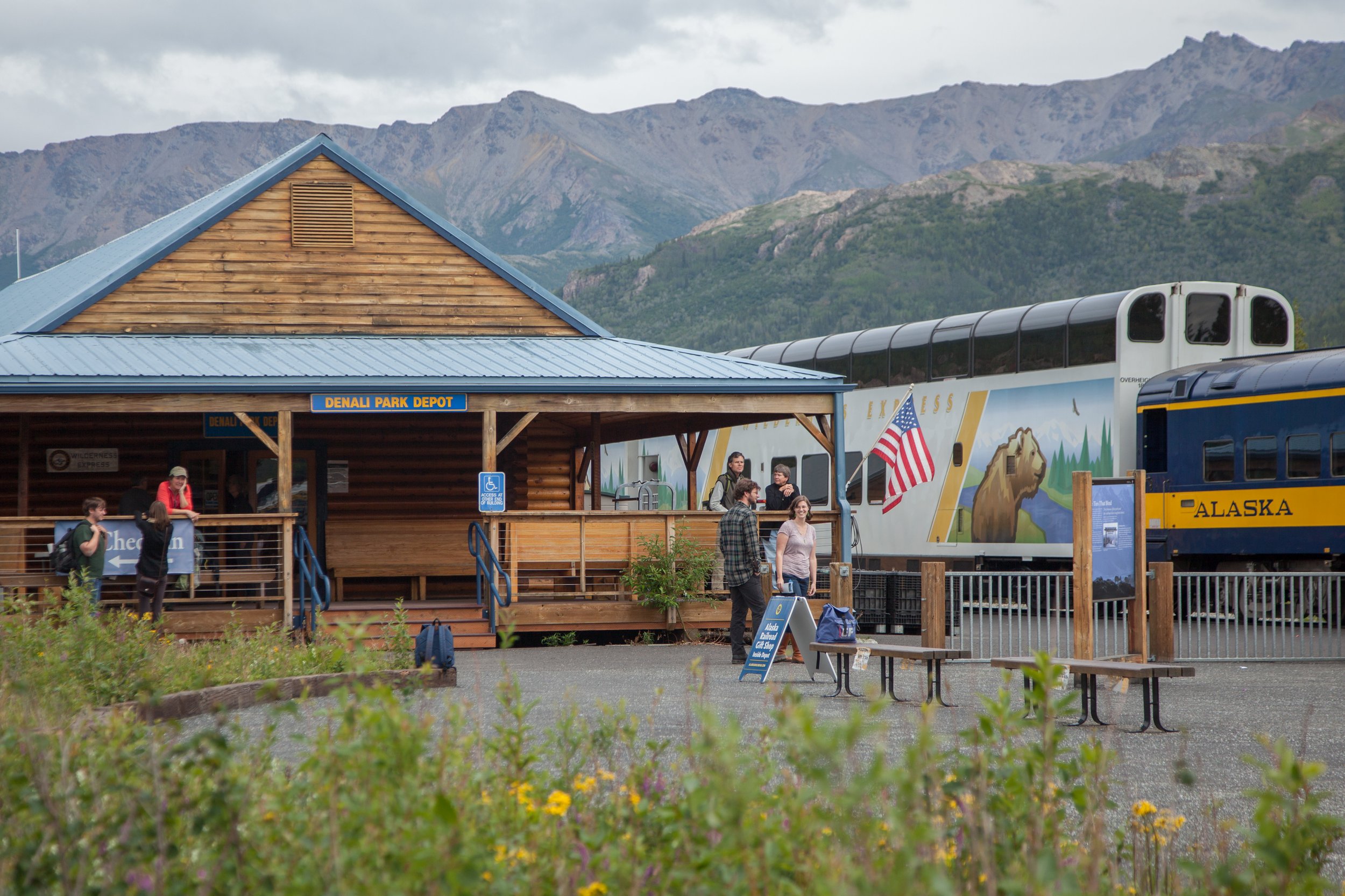
Arrive in Denali at approximately 3:40 PM on the day before your stay at Camp Denali and overnight near the park entrance. The following day (Monday or Friday), meet our buses at the train depot at 12:30 PM for transportation to Camp Denali.From Fairbanks (via the Denali Star Train):
Arrive in Denali at approximately 12:10 PM and meet our buses upon arrival at the train depot for transportation to Camp Denali. -
From Anchorage (via motorcoach):
Please reserve the "Anchorage to Denali" motorcoach departing Anchorage at 6:30 AM, arriving at approximately 12:30 PM. Upon arrival, meet our buses near the train depot for transportation to Camp Denali.If you would like to explore the park entrance, consider building in additional time to do so. If spending the morning on the motorcoach and afternoon on our transport bus sounds like a long day, consider spending a night at the park entrance.
-
From Fairbanks: Approximately 120 miles
From Anchorage: Approximately 240 milesBe mindful of delays due to summertime road construction. Please plan to arrive by 12:15 PM. This allows time to unload your luggage and park your vehicle before departing for Camp Denali.
Our drivers will assist you upon arrival and direct you to complimentary long-term parking near the train depot. After parking, you'll board our buses for the journey to Camp Denali.
All-Inclusive Experiences
Which Trip is Best for Your Itinerary?
Due to our remote location, we operate on a fixed schedule of arrivals and departures. Stays begin on either a Monday or a Friday. Our multi-night stays maximize opportunity for mountain views, wildlife sightings, and a variety of weather conditions. We provide an in-depth Denali experience, and a longer stay builds camaraderie among guests and staff.
-
Our three-night stays begin on Fridays and conclude on Mondays, offering a meaningful introduction to Denali's backcountry, wildlife, and vast landscapes.
-
Our four-night stays begin on Mondays and conclude on Fridays, providing additional time to explore Denali's diverse landscapes, enjoy a wider variety of guided and independent activities, and experience the park's ever-changing weather and wildlife.
-
For guests seeking a deeper connection to Denali, extended stays offer the opportunity to fully settle into life at Camp Denali. With more time in the park, guests can explore a greater variety of hiking terrain, build relationships with fellow travelers and staff, and experience the rhythms of the wilderness at a relaxed pace.
-
![Guided Outings at Camp Denali, BlueBird Bus]()
Day One
The Journey to Camp Denali
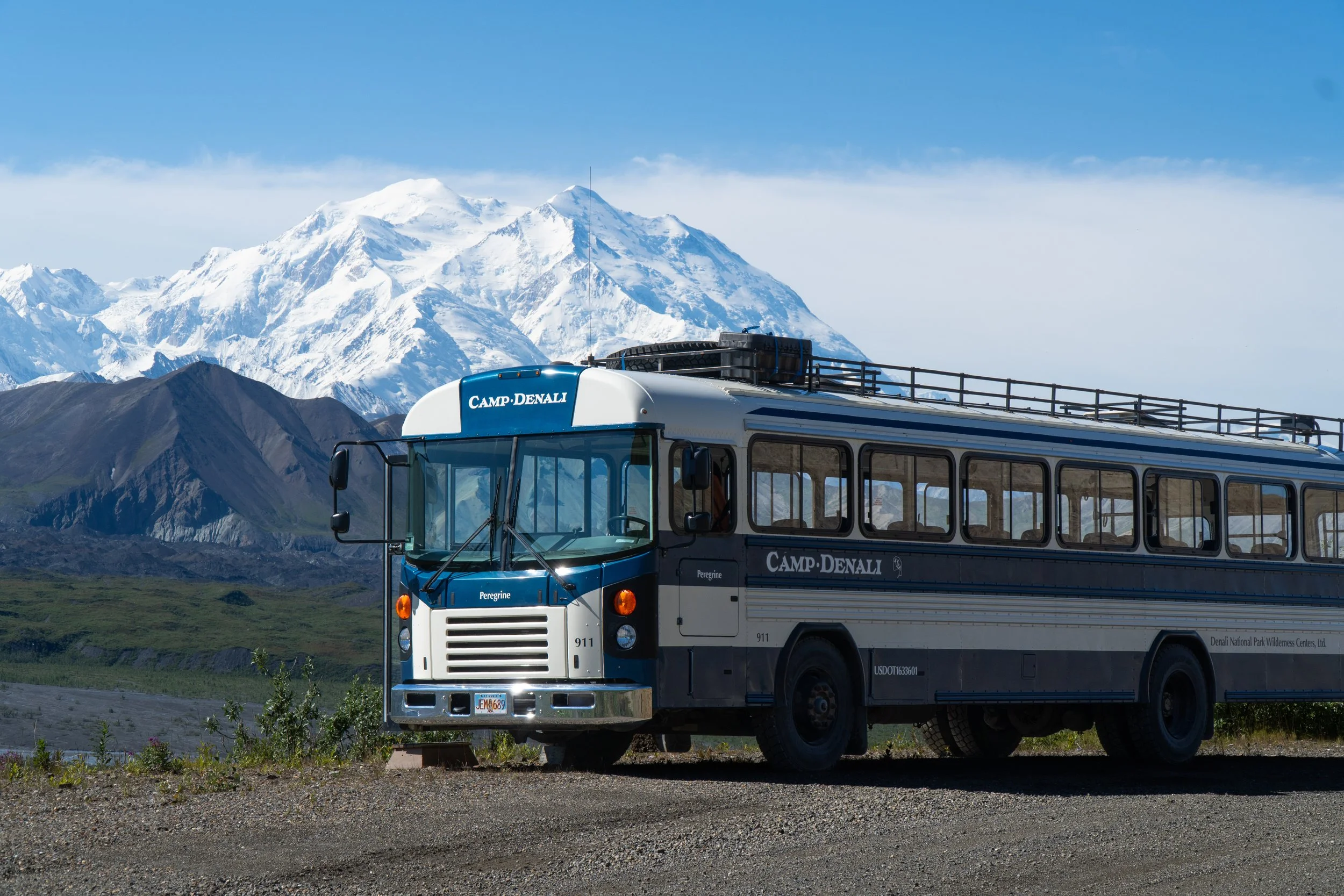
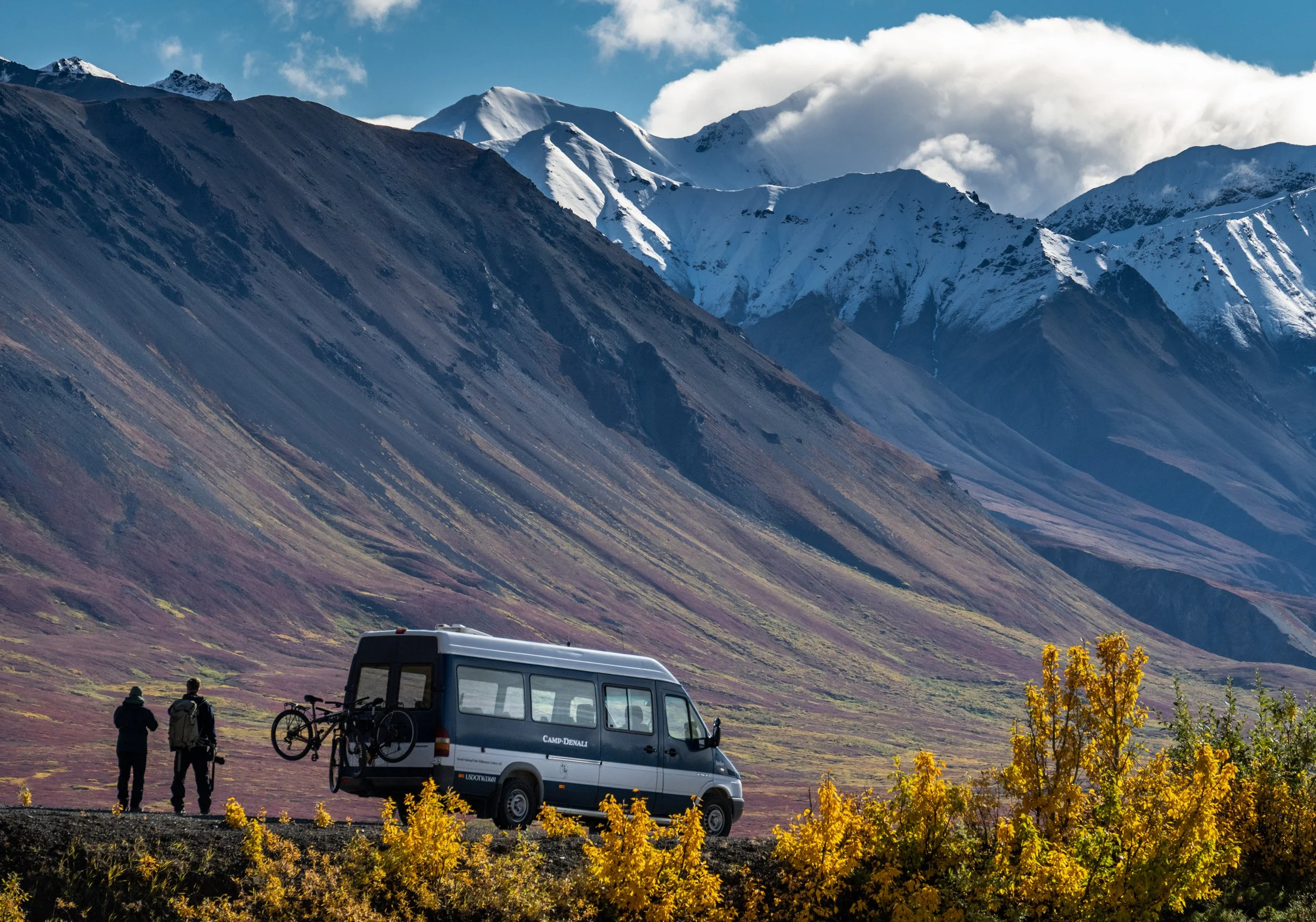
Your stay at Camp Denali will begin with the 90-mile journey into the heart of Denali National Park. Your driver will be one of our knowledgeable naturalist guides, who will discuss the geology, ecology, and cultural history of the park as you travel through it. Stops will be made along the way for spectacular vistas and wildlife observation. A hearty picnic will be provided at the midway point of the drive. -
![Guided Outings at Camp Denali, Sprinter Van]()
Day Two
Start the day at 7:30 AM with a delicious breakfast. After breakfast, you have the option of joining one of our guided group hikes. Choose from three different levels of hikes to spend the rest of the day exploring the Park with one of our guides. Savor your sack lunch during your day’s adventure. An exquisite dinner is served at 6:30 PM in our dining room, complete with views of Denali and an opportunity to reminisce about the day’s highlights.
The evening concludes with a presentation by one of our naturalists or a guest speaker on a topic of Alaska’s natural or cultural history.
-
![Cycling the park road, Denali National Park]()
Day Three & Four
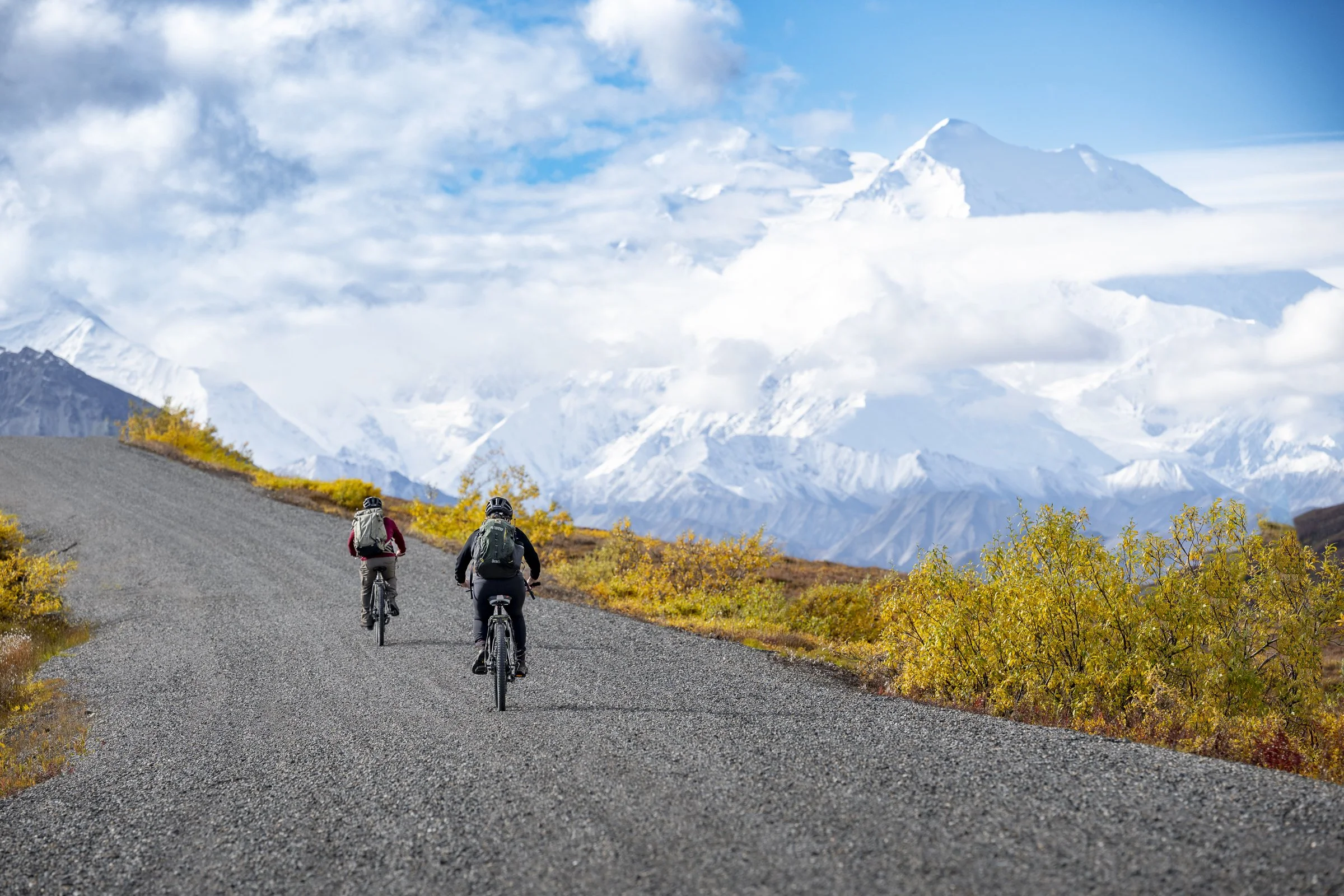
After breakfast, join a naturalist hike to explore a new area of the park. You may also choose from one of our independent activities: ride a bicycle along the Park Road, paddle a canoe on Wonder Lake, cast a line for some Arctic Grayling on nearby Moose Creek, or strike off on local trails.
For guests staying seven nights, there will be one guided option available on the Monday or Friday midway through your stay; the remaining full days will have our standard offerings.
-
![Train Depot, Denali National Park]()
Departure Day
After a light breakfast, depart at 6:45 AM from Camp Denali for the drive back along the Park Road. We will return to the rail depot by 11:45 AM in time for any guests transferring to the Denali Star Train or Park Connection Bus to Anchorage.
When to Visit
June: The Tundra Comes to Life
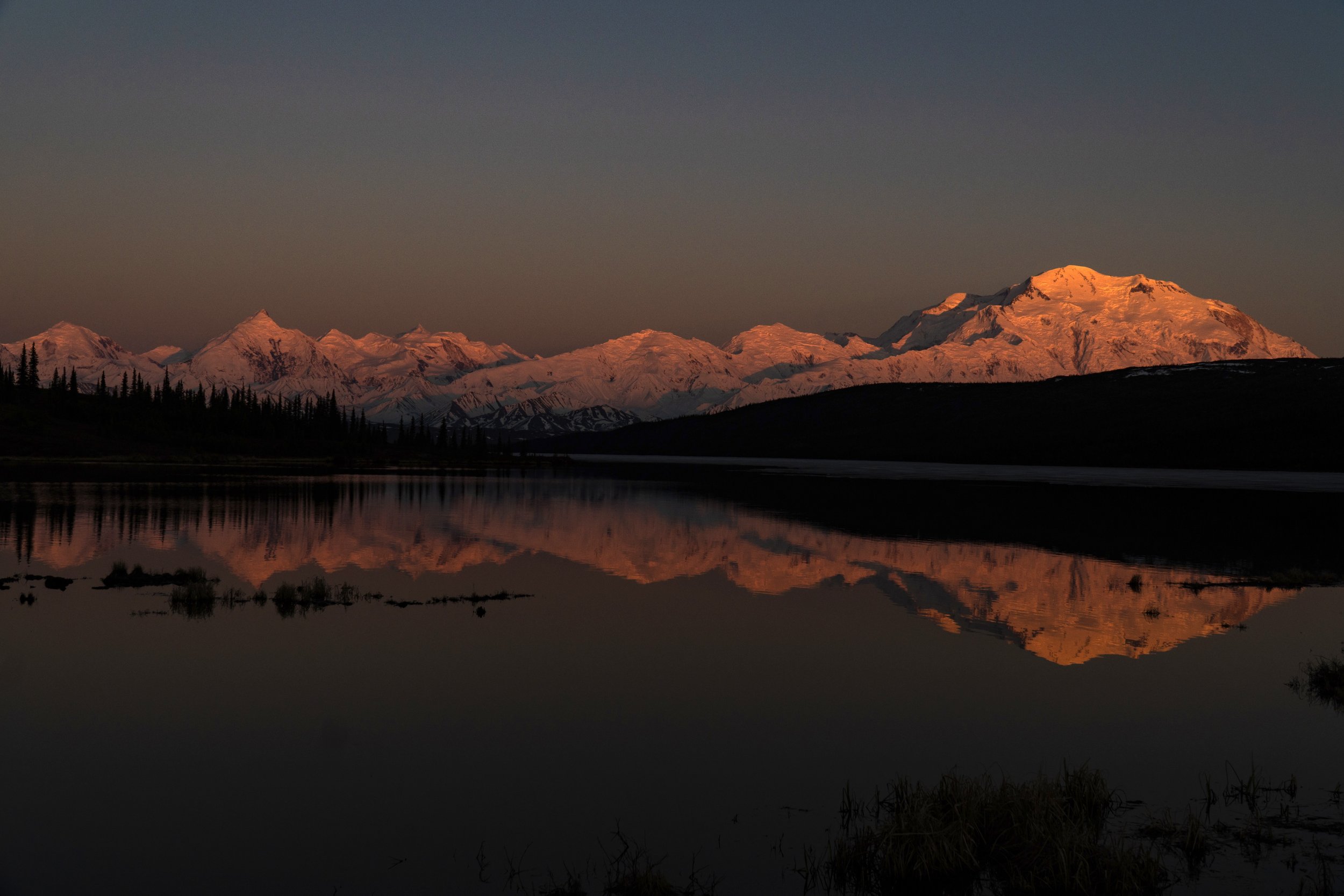
With nearly endless daylight and snow still lingering, June offers a unique blend of spring and summer. It is a season of renewal, discovery, and dramatic contrasts across the park.
The tundra races forward, taking full advantage of the never-ending sunlight. Wildflowers add their color to a quickly blooming landscape, creating a constellation of pinks, yellows, and blues to the sea of emerging greens. Migratory birds, journeying from each continent, return to Denali to take advantage of the burst of life, including the onset of mosquitoes. And many of Denali's iconic mammals welcome their young—Caribou return to the area, moose calves stay close to their mothers, and bear cubs explore a world made new by the changing seasons.
June offers a unique opportunity to witness a landscape in transition, even over the course of a few days’ stay with us.
What You Can Expect to See
-
June is an exciting month to see wildflowers in Denali National Park. Seemingly overnight, the tundra can transform into seas of white windflowers and oceans of pink alpine azaleas, interrupted only by islands of purple rhododendrons and yellow louseworts. These are just a few of the dozens of wildflowers you may encounter during your time here. Be sure to slow down and look closely for the delicate moss campion and frigid shooting stars.
-
Birds: In June, Denali welcomes nearly 160 bird species back to the Park to breed and nest across its diverse ecosystems. On the lakes and ponds, trumpeter swans can be found promenading on Wonder Lake alongside Buffleheads, Surf Scoters, Northern Pintails, Greater White-fronted Geese, and American Wigeons. In the boreal forests, you’ll hear Arctic Warblers, Swainson’s Thrushes, Savannah Sparrows, Blackpoll Warblers, and countless other songbirds calling. Further up in the alpine, keep an eye out for Horned Larks, Surfbirds, Northern Wheatears, Rock Ptarmigan, and Golden Eagles. Wherever you find yourself in Denali, you’re sure to encounter the early-season abundance of migratory arrivals.
Mammals: Mammals add their presence to the landscape in June. Bears may be spotted with newborn cubs, while adults can sometimes be seen in courtship. You may encounter newborn caribou and Dall sheep in the alpine, while moose continue to grow out their antlers. Everywhere you look, there is an opportunity to see wildlife moving through a landscape alive with flowers, trees, and tundra.
When to Visit
July: Summertime in Denali
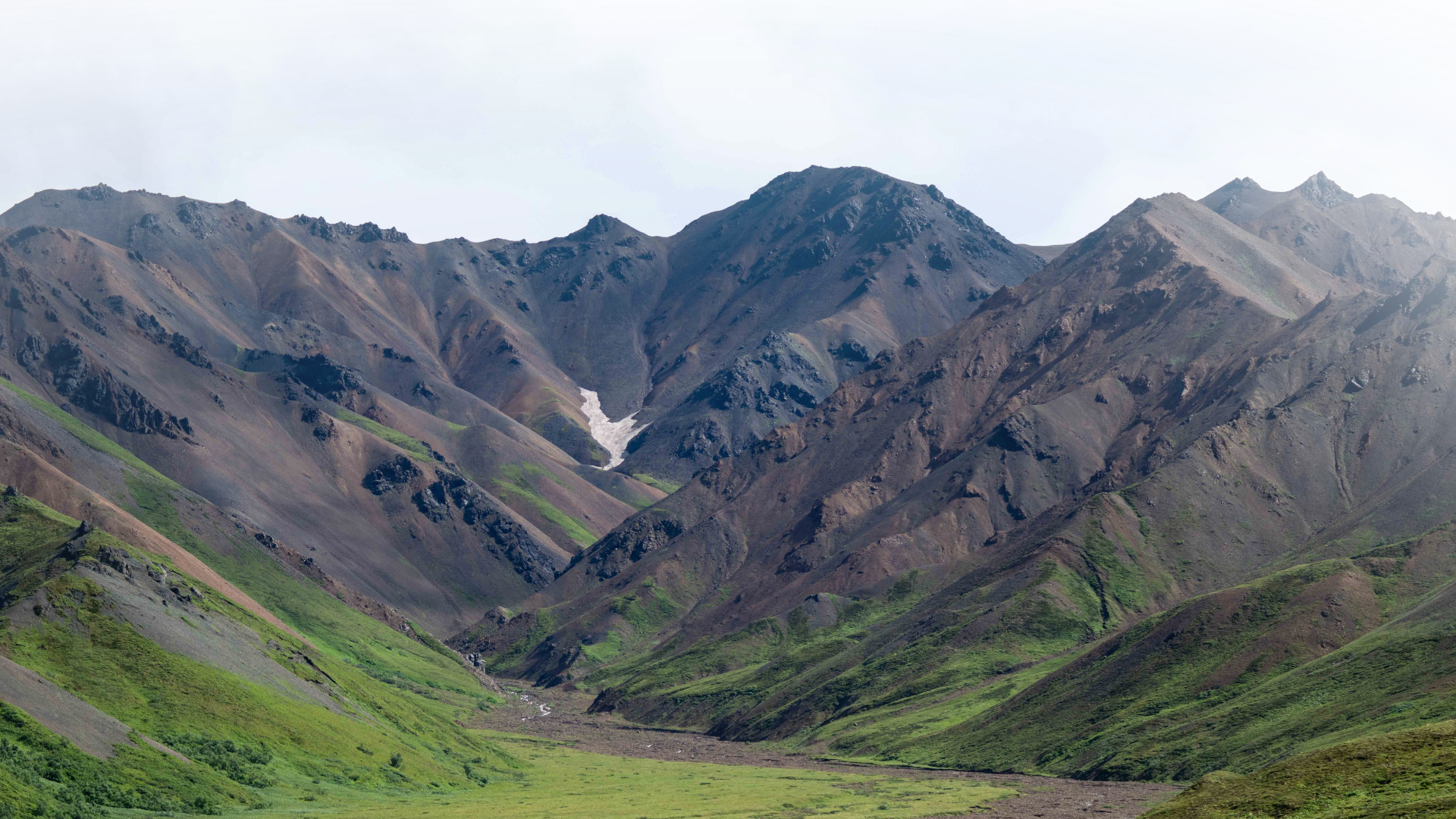
July captures Denali basking in the beauty of summertime: vibrant landscapes, active wildlife, and endless opportunities for adventure.
As summer temporarily settles across the tundra in July, wildflowers reach their peak as the tundra completes its transition to become a verdant paradise. Wildlife begins to take advantage of the season’s abundance—Caribou forage with their young along rocky ridgelines, moose plunge their heads into lakes and kettle ponds to feed, bears roam the hillsides in search of food, and ducklings dive the ponds.
Long days provide ample time to explore, whether on a guided hike, paddling Wonder Lake, or simply watching clouds drift across the face of Denali.
-
July is when the symphony of wildflowers reaches its loudest volume. With early-season flowers still enjoying the summer sun, late-season blooms begin adding their colors to the landscape. You’ll find groves of alpine forget-me-nots, Alaska’s state flower, surrounded by blooming fireweed and deep-violet monkshood. Higher in the alpine, look for inky-blue gentians and delicate alpine poppies. In other words, July is the height of wildflower season in Denali.
-
Birds: The skies feel a little quieter in July, as newly arrived birds settle in and turn their attention to raising their young. This is a wonderful time to keep your eyes closer to the horizon and watch for hordes of goslings, ducklings, and chicks across the landscape. Willow and Rock Ptarmigan chicks scurry alongside their parents, ducklings follow their mothers across kettle ponds as they learn to forage, and Common Loon chicks hitch a ride on their parents’ backs on Wonder Lake.
Mammals: As the landscape continues to green up, Denali’s mammals take advantage of the abundance of food across the Park. Moose plunge their heads beneath the surface of kettle ponds and lakes to feed on pondweed, beavers fell young poplar trees to build and maintain their lodges, and caribou traipse along alpine ridgelines. July is a time of abundance, with wildlife taking full advantage of Denali’s short but productive summer.
What You Can Expect to See
When to Visit
August: The Change of Seasons
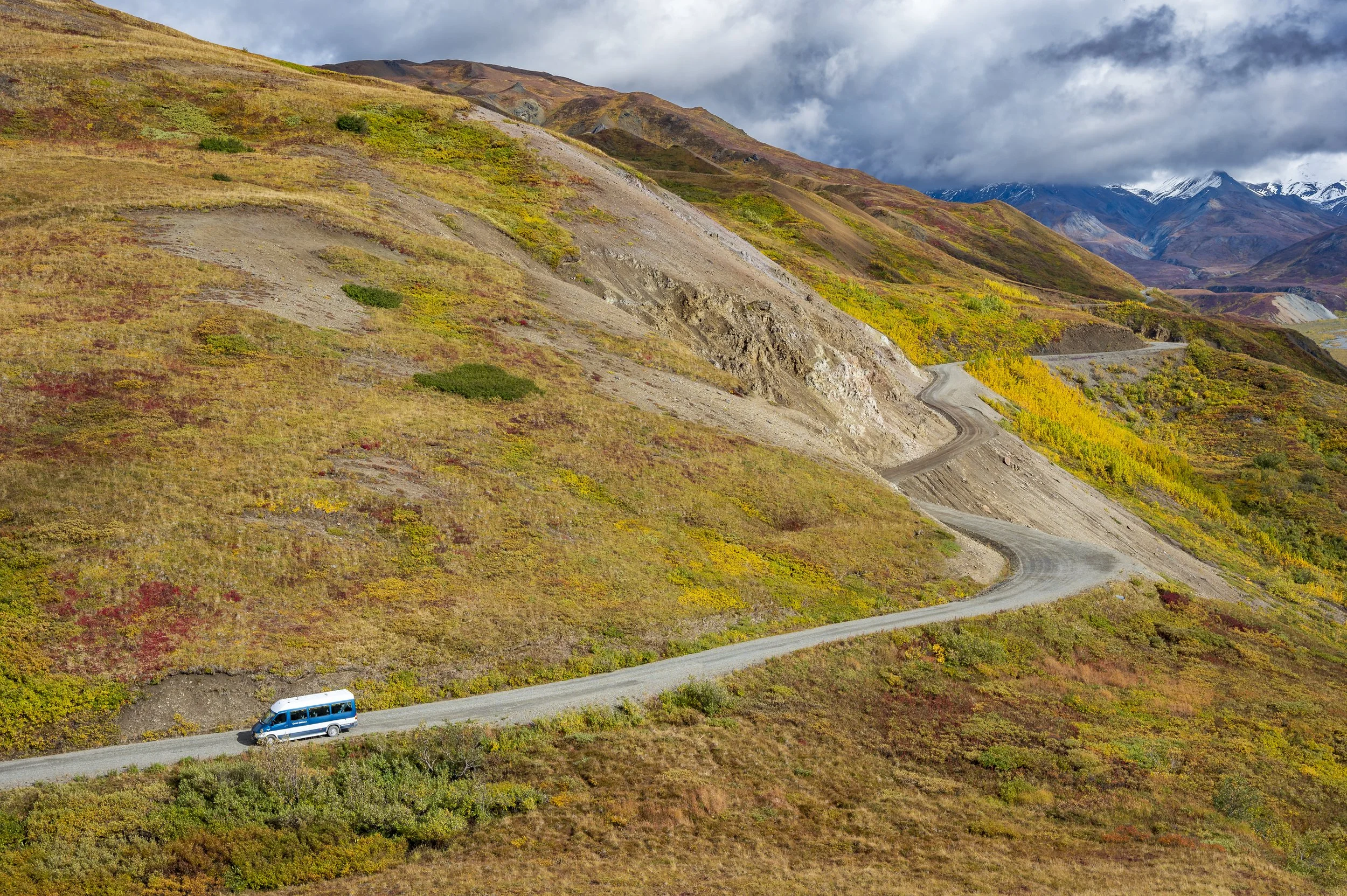
With cooler temperatures, the landscape of Denali begins its preparation for the winter ahead. Patches of red, gold, and amber emerge among the green and replace the fading wildflowers. Wildlife grows increasingly active as animals prepare for the coming winter. Berry crops ripen across the landscape, attracting bears and birds alike, while caribou and moose begin to shed their antlers.
The mosquitoes, after a busy two months, finally fade away. Whether you are a hiker or photographer, the rapid transition that occurs in August offers the best of both worlds: the richness of summer paired with the first colors of fall.
What You Can Expect to See
-
By August, wildflowers are fading fast across the landscape, with full-blooming fireweed and pockets of whitish gentians signaling that summer is beginning to draw to a close. Those hoping to linger among fields of flowers can still find plenty at the beginning of the month, but by the end of August, the blooms will be a distant memory. The changing landscape offers a beautiful reminder of just how fleeting Denali’s summer season can be.
-
Birds: Many of Denali’s early-season arrivals begin to flock together in preparation for their journey south, making August a rewarding time for those keen on observing birds in the Park. The most exciting migrant, the Sandhill Crane, arrives later in the month. Keep your eyes and ears to the sky, where you may see and hear flocks of cranes kettling overhead as they gather strength for their long journey south.
Mammals: In August, Denali’s mammals become increasingly focused on preparing for winter. Bears enter their period of hyperphagia, consuming enormous quantities of berries and other foods to build the reserves they’ll need for the months ahead. Beavers begin caching food for winter, while moose and caribou shed the velvet from their antlers and prepare for the rutting season just around the corner. Across the Park, wildlife is taking advantage of the last abundance of summer before the landscape begins its abrupt transition toward winter.
When to Visit
September: A Colorful Close
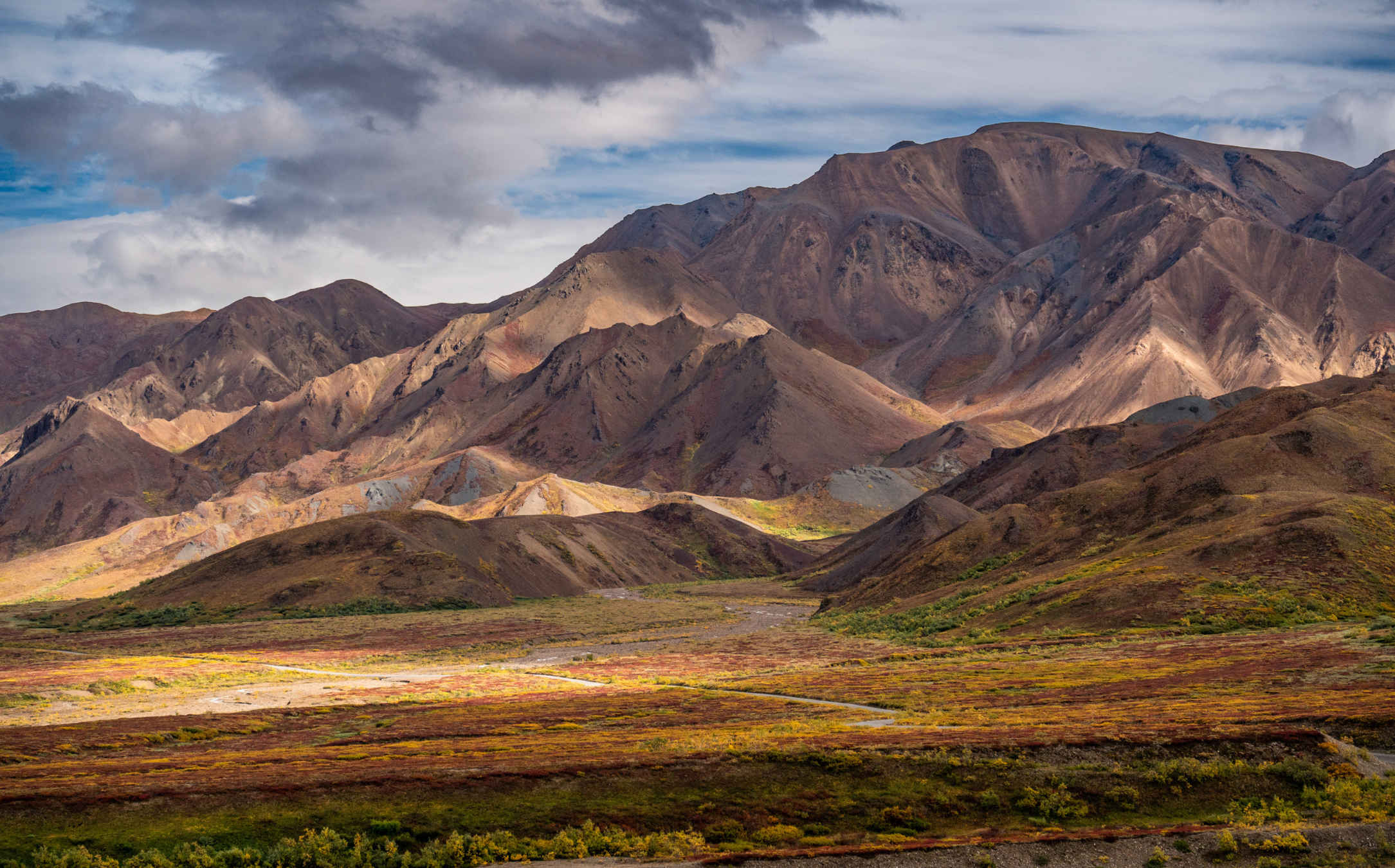
September transforms Denali into a tapestry of brilliant autumn color. Crimson tundra, golden willow, and snow-dusted peaks create some of the most spectacular scenery of the year. Wildlife enters one of its most dynamic periods as bears focus on building winter reserves and bull moose begin the annual rut.
The crisp air, dramatic light, and vibrant landscapes make September a favorite among photographers and wildlife enthusiasts. As the season draws to a close, Denali offers one final display of beauty before winter returns to the Alaska wilderness.
-
September brings a dramatic change to Denali’s landscape as summer gives way to fall. The last wildflowers are fading, but the tundra bursts into brilliant shades of red, orange, and gold as dwarf birch and blueberry leaves reach their autumn peak. Early in the month, the hillsides can seem to glow beneath the low autumn sun, creating one of Denali’s most spectacular seasonal displays. By the end of September, the leaves have fallen, the tundra has quieted, and winter is close at hand.
-
Birds: By September, many of Denali’s summer birds have begun their long journeys south, leaving the Park noticeably quieter. Those that remain are busy preparing for the coming winter, while flocks of migrating birds pass through on their way south. Keep an eye overhead for Sandhill Cranes continuing their migration, or listen for the calls of birds gathering together before departing. September offers a final glimpse of Denali’s summer birdlife before the landscape settles into winter.
Mammals: For Denali’s mammals, September is a season of transition and preparation. Caribou begin moving across the landscape as the rut gets underway, while bull moose become increasingly focused on competing for mates. Bears continue to feed heavily, taking advantage of the final berries and other available foods before winter. As the days grow shorter and temperatures drop, wildlife across Denali is making the most of every remaining opportunity to prepare for the months ahead.
What You Can Expect to See
Frequently Asked Questions
-
Yes, it is! Starting in 2027, the bridge project at Polychrome Pass will be complete, and the Denali Park Road will be open once again. This will allow us to drive guests from the park entrance to our location at mile 89 of the park road.
-
Yes, you can! Our air taxi partner, Denali Air, operates flights to and from Kantishna, where Camp Denali is located.
If you are interested in flying, we recommend starting your journey with a naturalist-interpreted drive into Camp Denali and concluding with a flight back on your departure day. This allows you to experience both the spectacular scenery and wildlife viewing opportunities along the Park Road and the breathtaking aerial views of Denali National Park from the air.
Be sure to let our office staff know you are interested in flying to or from Camp Denali, and we will begin working on the logistics!
-
We do! A stay at Camp Denali can pair beautifully with other incredible experiences throughout Alaska. Contact our office to help with the planning.
-
Interior Alaska is known for its temperamental weather, so it's best to be prepared for everything. Layers are your best friend: a warm base layer, a sweater or quarter-zip, and a medium-weight puffer jacket will help keep you comfortable in changing conditions. That way, whether the day turns warm or chilly, you can easily add or remove layers as needed.
-
Obviously, this is a tough one to predict! However, our location offers some of the best opportunities to see Denali when the mountain is out. More importantly, our three- and four-night stays dramatically increase your chances of seeing Denali compared to visiting the park on a day trip. With several days in the heart of the park, you have more opportunities for the clouds to clear and the mountain to be observed.
-
Another tough one to predict! A big part of the Camp Denali experience is spending time exploring the park. From the drive in on arrival to our guided outings throughout your stay, you’ll travel through miles of prime wildlife habitat, increasing your opportunities for wildlife sightings. While we can never guarantee what you’ll see, our time in the park often brings encounters with bears, moose, caribou, Dall sheep, the rare wolf sighting, and more.