
2027 Guest Speakers
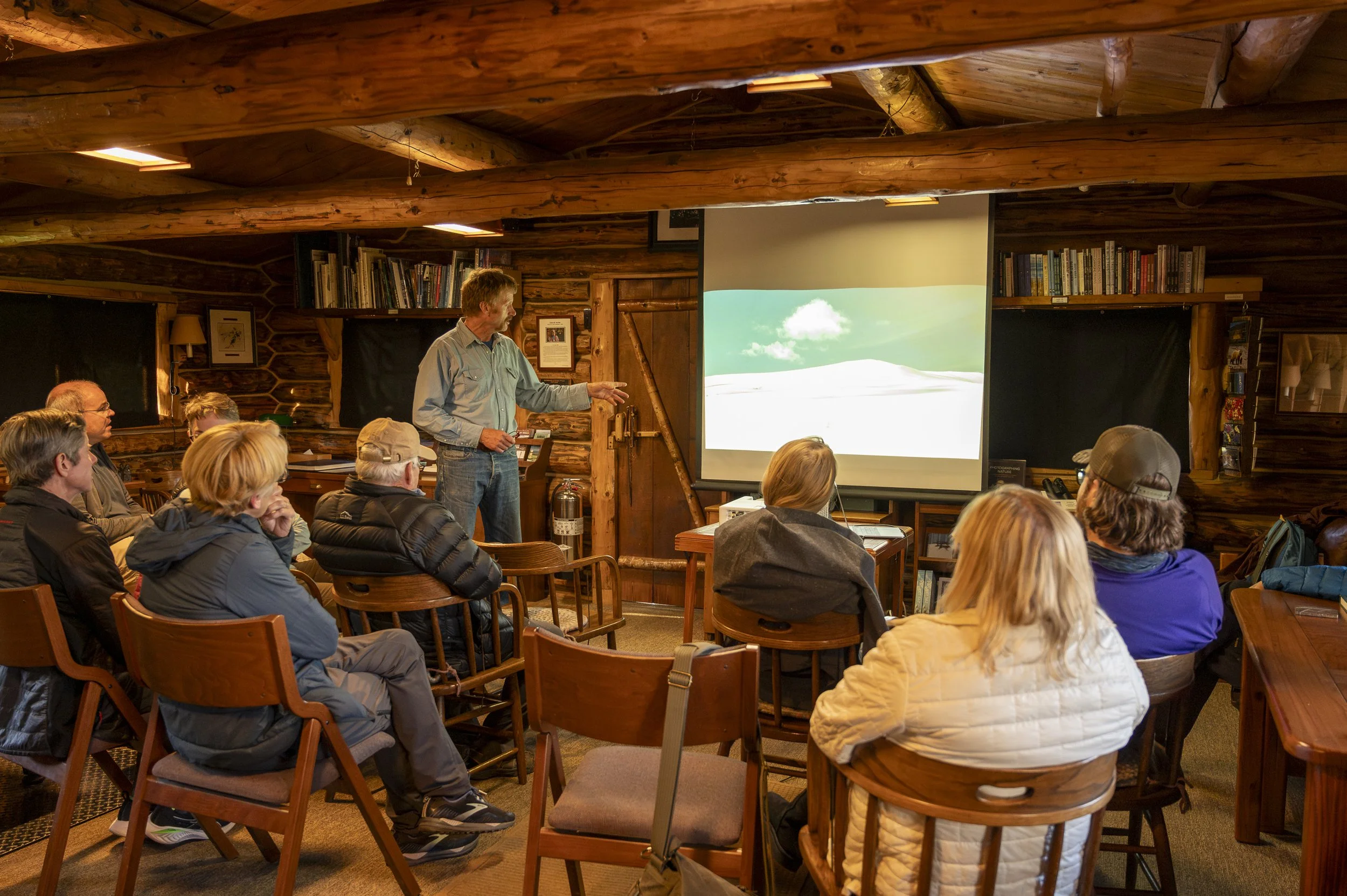
Throughout the summer, we invite specialists to share their expertise with our guests and staff, both in the field and through evening presentations. Consider timing your visit to coincide with one of our Special Emphasis Series speakers.
David Sibley: Ornithologist, Author and Illustrator
Bird Identification and the Art of Observation
June 4th - 11th
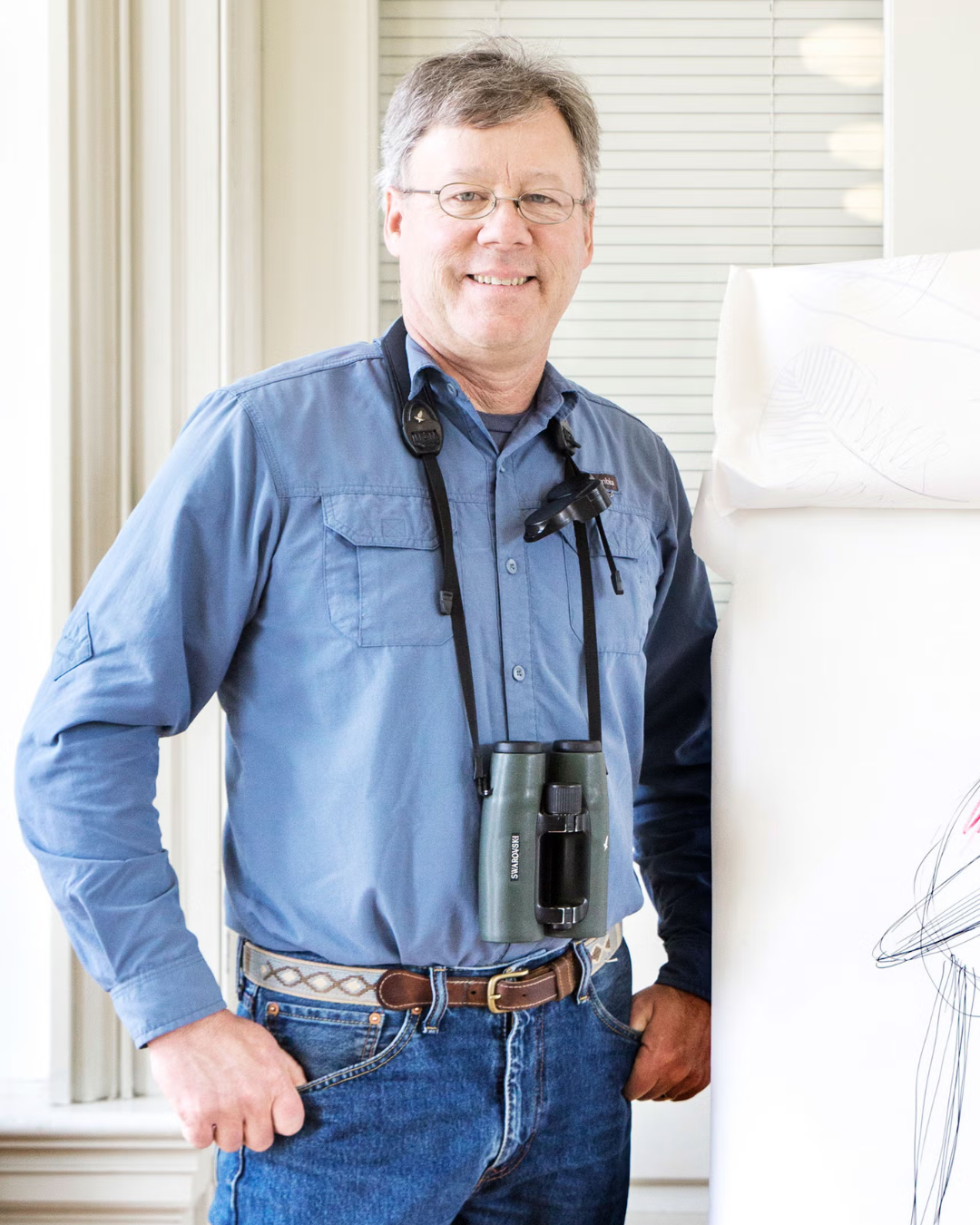
David Sibley, son of ornithologist Fred Sibley, began seriously watching and drawing birds in 1969, at age seven. Since 1980, David has traveled throughout North America in search of birds, both on his own and as a leader of birdwatching tours. This intensive travel and bird study culminated in the publication of his comprehensive guide to bird identification The Sibley Guide to Birds in 2000 and the completely updated second edition in 2014.
Other books include a companion volume The Sibley Guide to Bird Life and Behavior in 2001; Sibley's Birding Basics – an introduction to bird identification – in 2002; and the Sibley Field Guides to Eastern and Western birds second edition in 2016. In 2009 he completed a fully illustrated guide to the identification of North American Trees – The Sibley Guide to Trees. His newest book - What It's Like to be a Bird - was published in 2020. He is the recipient of the Roger Tory Peterson Award for lifetime achievement from the American Birding Association and the Linnaean Society of New York’s Eisenmann Medal. David lives in Deerfield, Massachusetts, where he continues to study and draw birds and trees.
Emphasis: Birding, like any nature study, is all about observation, and real observation involves more than just watching. It means asking questions, making comparisons, finding connections. Art, sketching, writing, photography, and more are all great ways to slow down and make discoveries. David is looking forward to exploring the birds and the environment of Denali, and hopes that all participants, birders and non-birders, will come away with heightened curiosity, and a deeper understanding of the natural world.
In one evening program David will talk about his own development as a naturalist and artist, especially the importance of field sketching as a method of study. David’s second talk is about the psychology of perception and how it can lead, and mislead, our efforts to identify birds.
Kristin Link, Science Illustrator, Field Artist, and Writer
Discover the Art of Field Sketching
June 11th - 18th
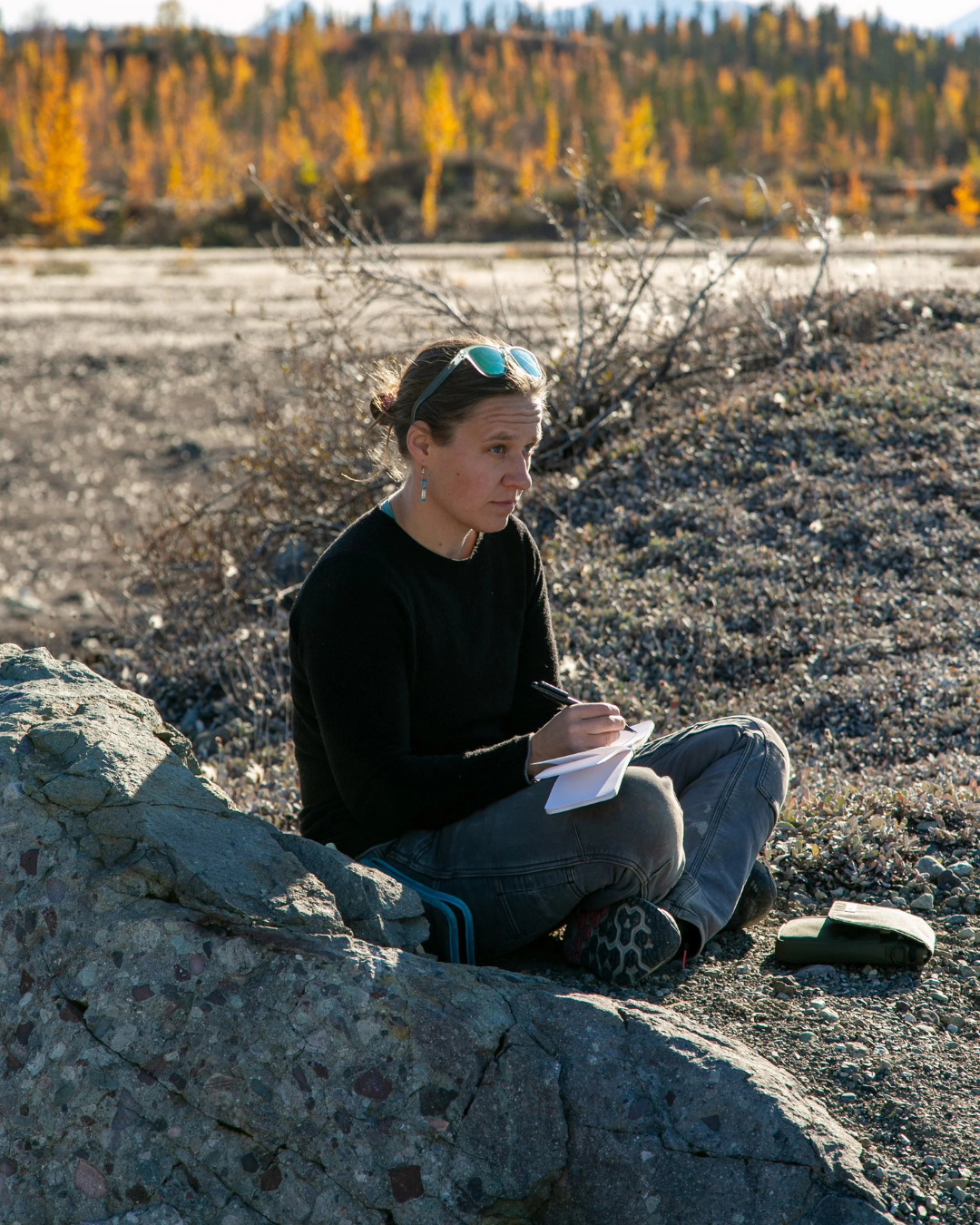
Kristin Link is a science illustrator, field artist, and writer based in an off-the-grid cabin near McCarthy, Alaska, on the edge of Wrangell–St. Elias National Park and Preserve, which is Ahtna Athabaskan land. Her work combines careful observation, scientific accuracy, and drawing from life to communicate the complexity and beauty of the natural world.
Kristin holds a graduate certificate in science illustration from California State University Monterey Bay and a BA in Conservation Biology and Studio Art from Middlebury College. Her scientific illustration work appears in visitor centers, along Alaska highways, in museum exhibitions, and in publications including The New York Times, Earth Island Journal, Montana Outdoors Magazine, and Edible Alaska Magazine.
Kristin's fine art practice explores northern landscapes shaped by ice, light, and seasonal change. She has exhibited widely across Alaska. She is currently an artist fellow with In a Time of Change Coastal Transitions.
Her first book, Discover the Art of Field Sketching (Timber Press, April 2026), draws on over a decade of teaching field sketching in Alaska and beyond.
Workshop & Presentation: Kristin will share photos, stories, and artwork from her years of field sketching in remote Alaska. She will lead hands-on sketching and nature journaling workshops, combining instruction in drawing and watercolor painting with time outside observing nature. Guests will join her in Denali's tundra and alpine landscape during this unique season, when wildflowers are blooming and birds are nesting. Together they will keep naturalist's journals, recording observations through writing and sketching, and focusing on both the fine details up close and the dramatic scenery stretching to the horizon.
Drew Lanham: Author, Poet, Professor, 2022 MacArthur Fellow
Birds, Belonging, and Conservation
June 18th - 25th
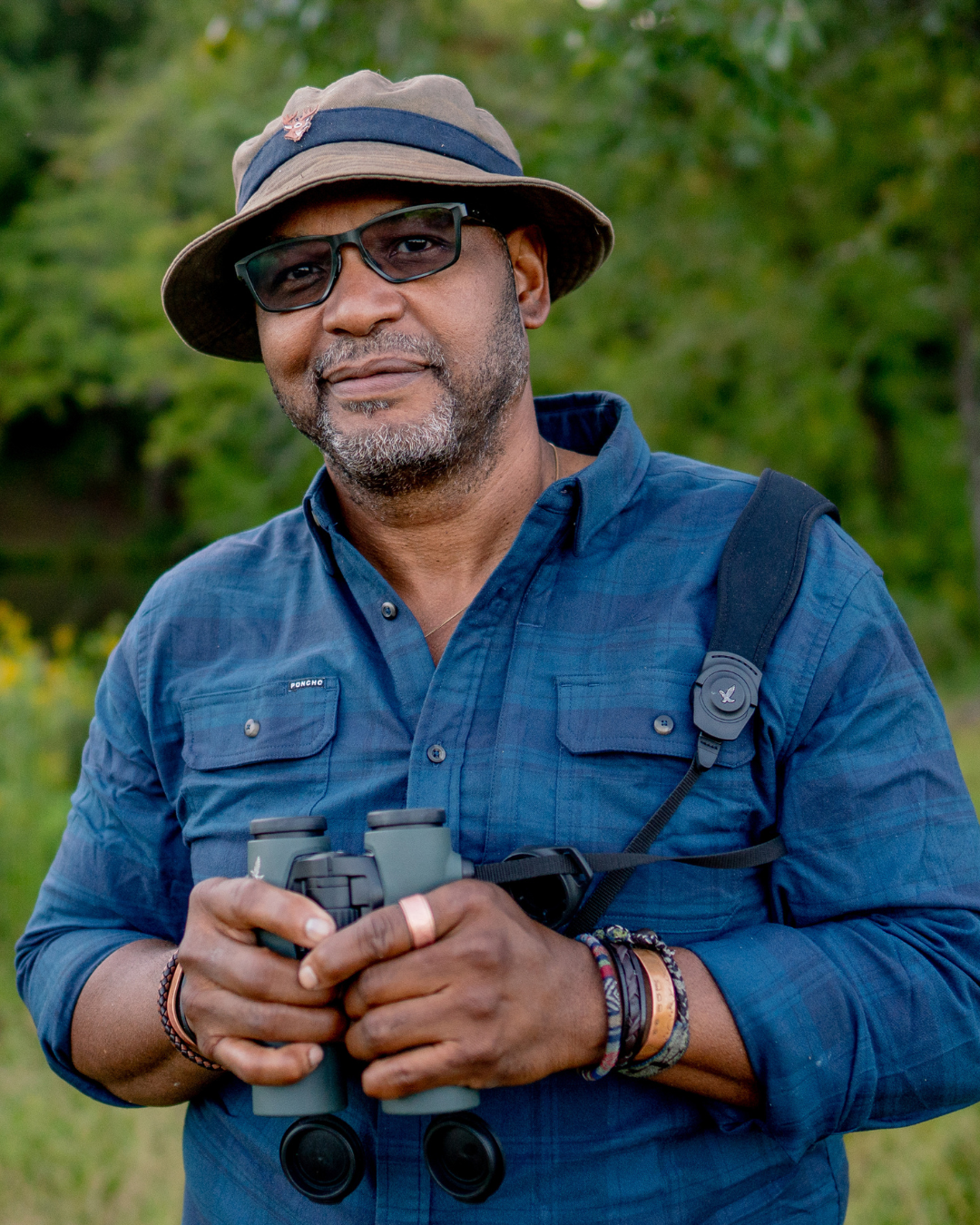
J. Drew Lanham, PhD, is an author, poet, public speaker and scientist, from Edgefield and Aiken, South Carolina. He is an Alumni Distinguished Professor and Master Teacher of Wildlife Ecology at Clemson University, whose work addresses the confluence of race, place and nature.
Drew is the author of Joy is the Justice We Give Ourselves (2024), Sparrow Envy - A Field Guide to Birds and Lesser Beasts (2021) and The Home Place - Memoirs of a Colored Man's Love Affair with Nature (2016), and his has written for numerous publications including Orion, Vanity Fair, High Country News, and the The New York Times.
Dr. Lanham is a public speaker, writing workshop leader, and past board member of the National Audubon Society, Audubon South Carolina, South Carolina Wildlife Federation, Aldo Leopold Foundation, Bird Note and The American Birding Association.
Drew is an eco-social advocate/activist and progressive rural southerner intent on making a difference for his homeplace by bending hearts and minds towards a more progressive region, where lost cause will be remanded to memory and museums as nature stewardship expands through prisms of multiple ethnic hues. Drew is an avid hunter - gatherer -conservationist and works to bridge these passions among the nature-loving public. His favorite birds are the ones with feathers.
Trina Moyles, Author & Journalist
Stories from the North
June 25th - July 2nd
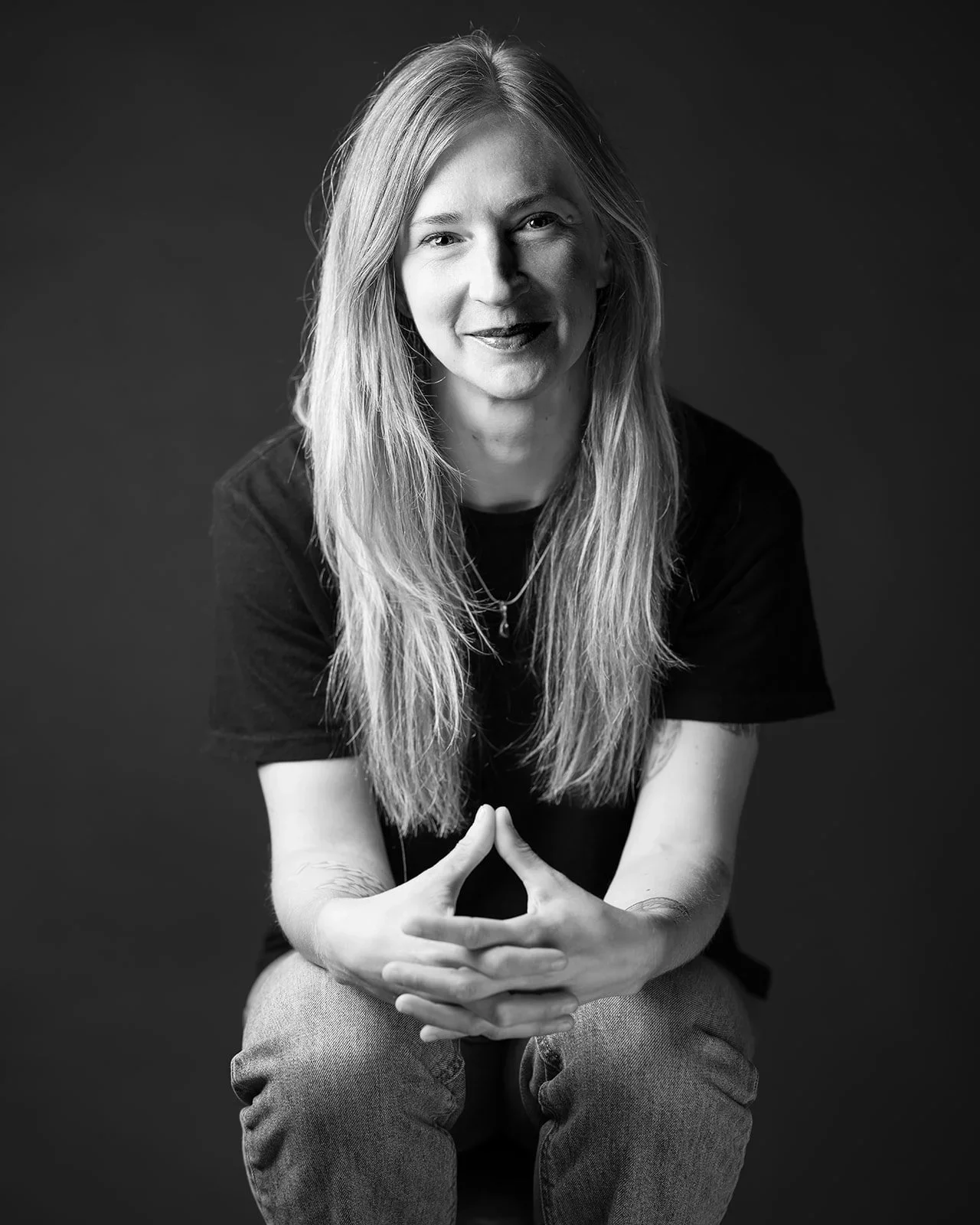
Trina Moyles is a Yukon-based author, journalist, and creative producer. Her work is inspired by rural communities and relationships with land, wildlife, food security, and climate change.
Trina’s ethos as a writer is rooted in respect, care, and relationship building with the individuals and communities who share knowledge with her. She is committed to ethical journalism that explores complexity and strives for nuance.Moyles grew up on Treaty 8 territory in the Peace River country of northwestern Alberta, the daughter of a wildlife biologist and an early childhood educator/community liaison.
She is the author of three award-winning books, including Women Who Dig: Farming, Feminism, and the Fight to the Feed the World (University of Regina Press, 2018), Lookout: Love, Solitude, and Searching for Wildfire in the Boreal Forest (Random House Canada, 2021), and Black Bear: A Story of Siblinghood and Survival (Knopf Canada/Pegasus Books, 2026).
Her writing also appears in The Globe and Mail, Alberta Views, The Narwhal, and Canadian Geographic. She is currently working as the Northern Correspondent for The Walrus, reporting on stories at the 60th parallel.
Today, Moyles lives in Whitehorse, Yukon Territory, where she resides in an off-grid yurt on the traditional territories of the Kwanlin Dün First Nation and the Ta’an Kwäch’än Council with her partner and their three rowdy dogs. She has developed a passion for working as a sled dog race reporter.
Maija Katak Lukin, Executive Director ANNC, Former NPS Superintendent, Former Mayor of Kotzebue
Relationships That Sustain the Land
July 5th - 9th
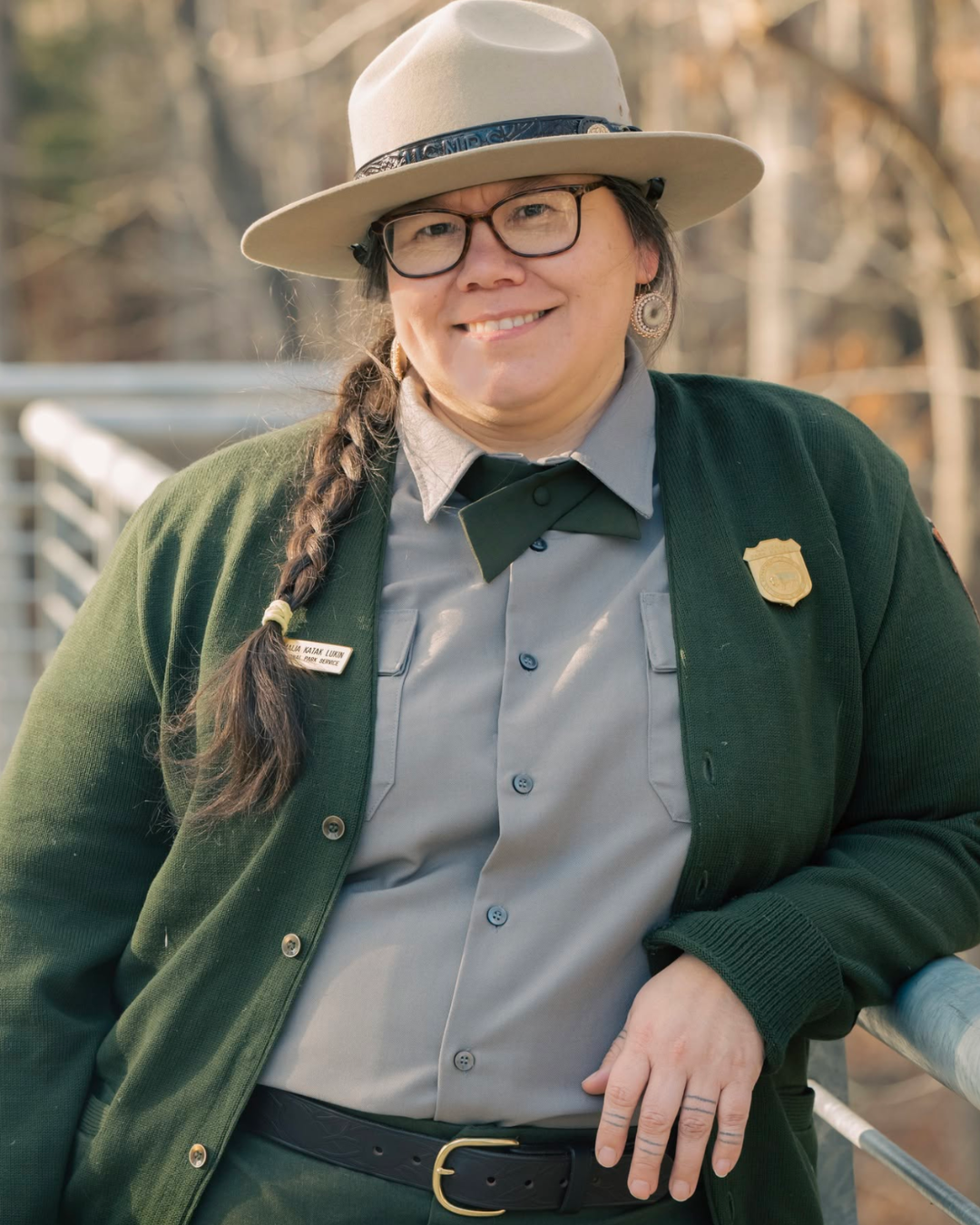
Maija Katak Lukin, Iñupiaq, was born in Kotzebue and raised in both Kotzebue and Sisualik on the shores of Cape Krusenstern. Her upbringing, rooted in the Iñupiat Iḷitqusiat, grounds her life’s work in humility, respect, cooperation, and responsibility to future generations.
Maija is the Executive Director of the Alaska Nannut Co-Management Council (ANCC) was established to represent the collective Alaska Native voice in polar bear co-management. ANCC is a tribally authorized organization with membership consisting of the 15 tribes in Alaska that have traditionally harvested polar bears for subsistence.
Previously, she served as the first AK Native Superintendent of the Western Arctic National Parklands, where she oversaw the stewardship of more than nine million acres across Cape Krusenstern National Monument, Kobuk Valley National Park, and Noatak National Preserve. More recently, Maija served as the Alaska Native Tribal Relations Program Manager for the National Park Service, where she was responsible for government-to-government consultation with federally recognized tribes, ANCSA Corporations and Tribal entities with ancestral lands in and near National Parks.
A strong advocate for cultural preservation and intergenerational learning, Maija teaches traditional Iñupiaq arts, subsistence skills, and Indigenous land stewardship to youth, adults, and Elders across Alaska. She is the author of Create Like an Iñupiaq and a frequent invited speaker on subsistence, climate change, Indigenous rights, and Arctic policy at local, national, and international forums.
Maija and her husband have five children and one grandchild.
Emphasis: Maija’s programs will consist of both formal talks grounded in the co-stewardship work and federal frameworks of Tribal trust responsibility and interactive space where people can learn through hands-on creating and storytelling, in order that we might embody the values of relationship and care for the land.
Dr. Carl Tape, Professor of Geophysics, Seismologist
Earthquakes in the Alaska Range
July 12th - 16th
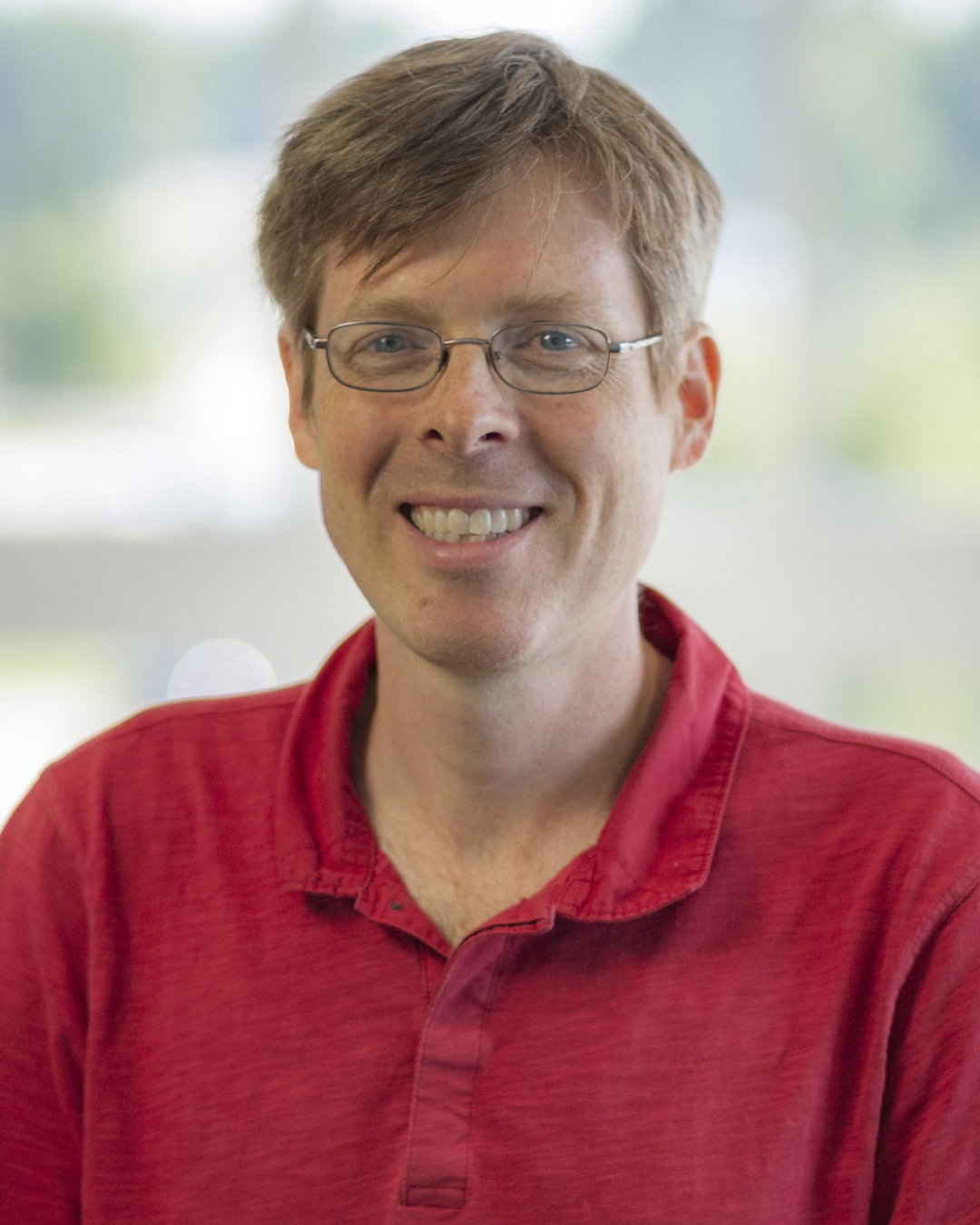
Carl Tape a professor at the University of Alaska Fairbanks at the Geophysical Institute and the Department of Geosciences. A lifelong Fairbanksan, he is a seismologist, studying earthquakes and the subsurface structure of Earth, from the surface to the center of the Earth's iron core. He applies techniques in computational and observational seismology to obtain better images of Earth's internal structure and to obtain better representations of earthquakes.
Dr. Tape is intimately familiar with the Denali Fault and in his presentations will help bridge the gap between history and physical science to help us understand a large earthquake along the fault in 1912 that was felt across the region, and blasted a climbing expedition attempted to be the first team to reach Denali’s true summit.
Rick Thoman, Alaska Climate Specialist
Alaska’s Dynamic Climate
July 16th - 23rd
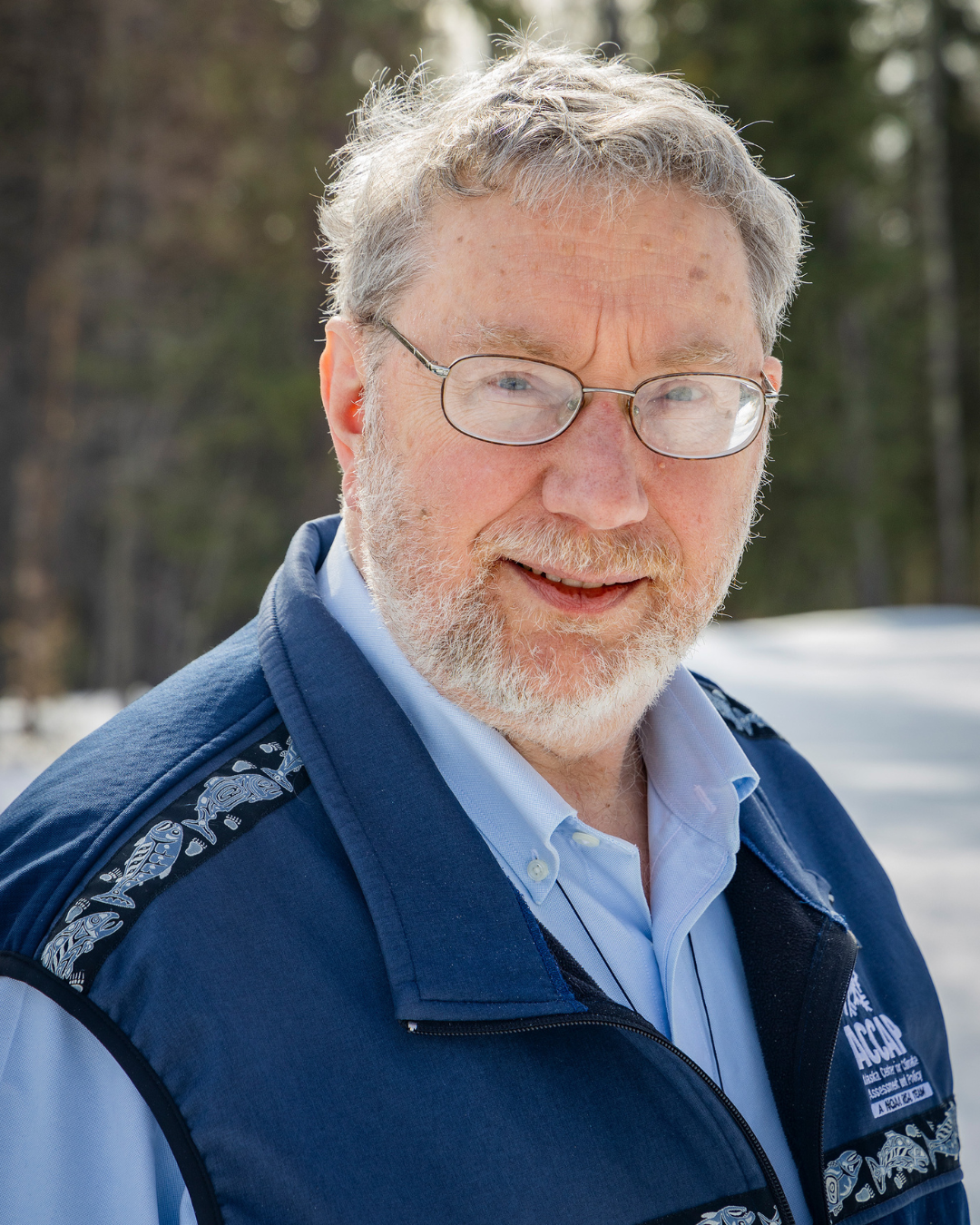
Rick Thoman has worked as a weather and climate professional for more than 35 years, nearly all of that in Alaska. He served as a lead forecaster at the National Weather Service Forecast Office in Fairbanks for two decades and finished his NWS career as the Alaska Region Climate Science and Services Manager. Since retiring from the NWS in 2018, he works as a climate specialist with the Alaska Center for Climate Assessment and Policy at the University of Alaska Fairbanks where he focuses on delivering accurate, timely and relevant Alaska and Arctic climate information to a spectrum of stakeholders from national, state and local media, schools, academics, federal and state agencies and especially to communities and tribes in western and northern Alaska. He holds a B.S. in meteorology from Penn State and an M.A. in Athabascan Linguistics from the University of Alaska Fairbanks.
Tessa Hulls, Artist, Writer, Adventurer
Feeding Ghosts: Memory, Identity, and the Stories We Carry
July 23rd - 30th
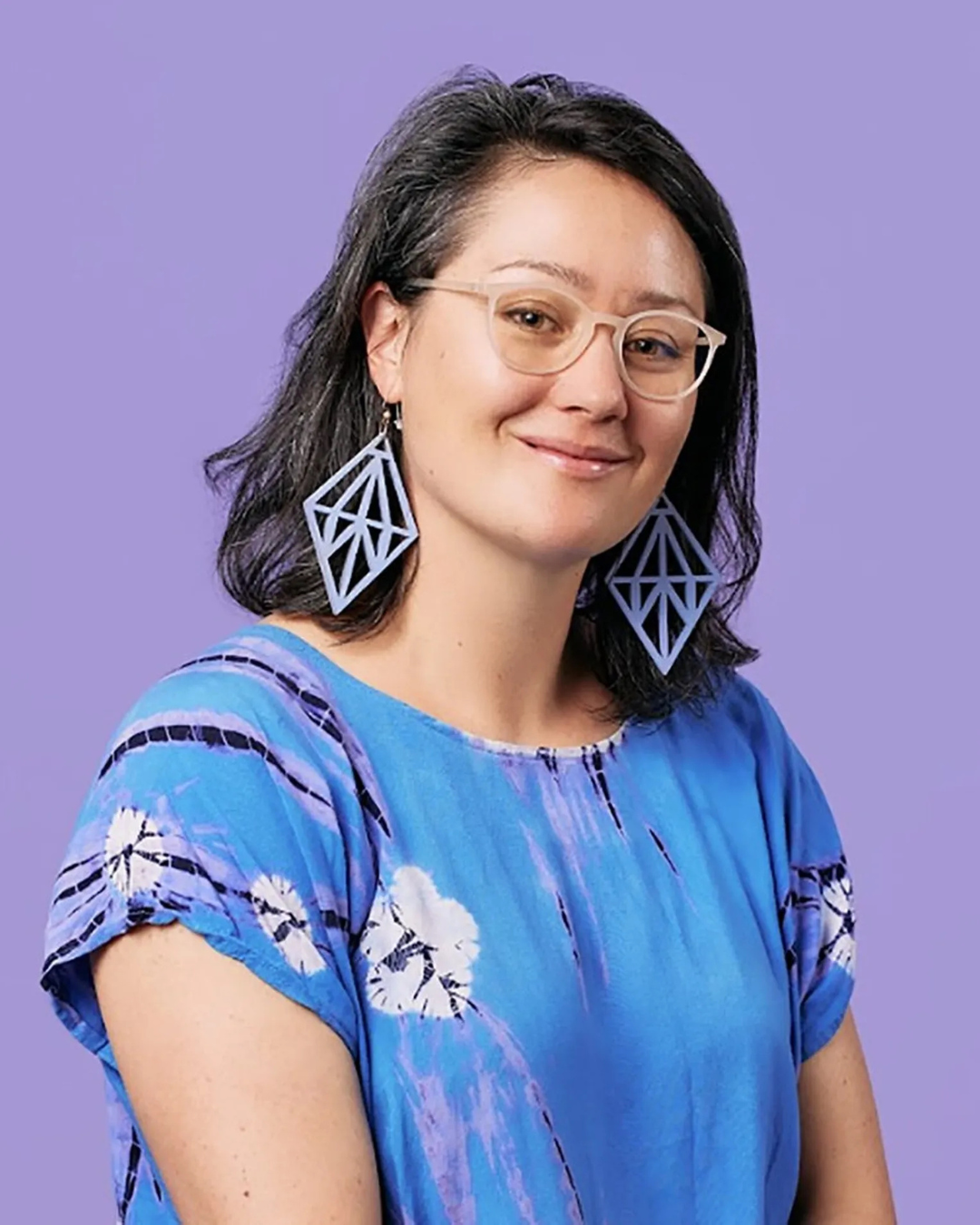
Tessa Hulls is an artist, writer, and adventurer. Her debut graphic novel, Feeding Ghosts, was awarded the Anisfield-Wolf Book Award, National Books Critics Circle John Leonard Prize, a Will Eisner Comic Industry Award for Best Graphic Memoir, and the 2025 Pulitzer Prize for Memoir or Autobiography.
As the mixed race daughter of two first generation immigrants who landed in a tiny town of 350 people, Tessa grew up with no models of how she fit within American culture. The fusion of solitude, research, and forward motion remains the bedrock of her extremely multidisciplinary creative practice.
Her restlessness has joyously dragged her across all seven continents from bartending in Antarctica to painting murals in Ghana to hosting book clubs right here at Camp Denali. She currently splits her time between Juneau, AK and Seattle, WA (she likes rain).
Tessa is now fusing her wilderness and creative lives by becoming an embedded comics journalist working with field scientists, Indigenous groups, and nonprofits doing work around ecological resilience and climate change in remote environments. Her writing and comics have appeared in The Washington Post, The Henry Art Gallery, The Rumpus, On the Boards, The Seattle Art Museum, Atlas Obscura, Microsoft Research, and others.
Tessa used to write narrative vignettes about the hopes, dreams, longings, and fears of Honeybucket portable toilets and might get back into that someday.
Thirty Below: The Untold Story of Denali's First All-Women's Ascent
Cassidy Randall, Author, Journalist
July 30th - August 6th
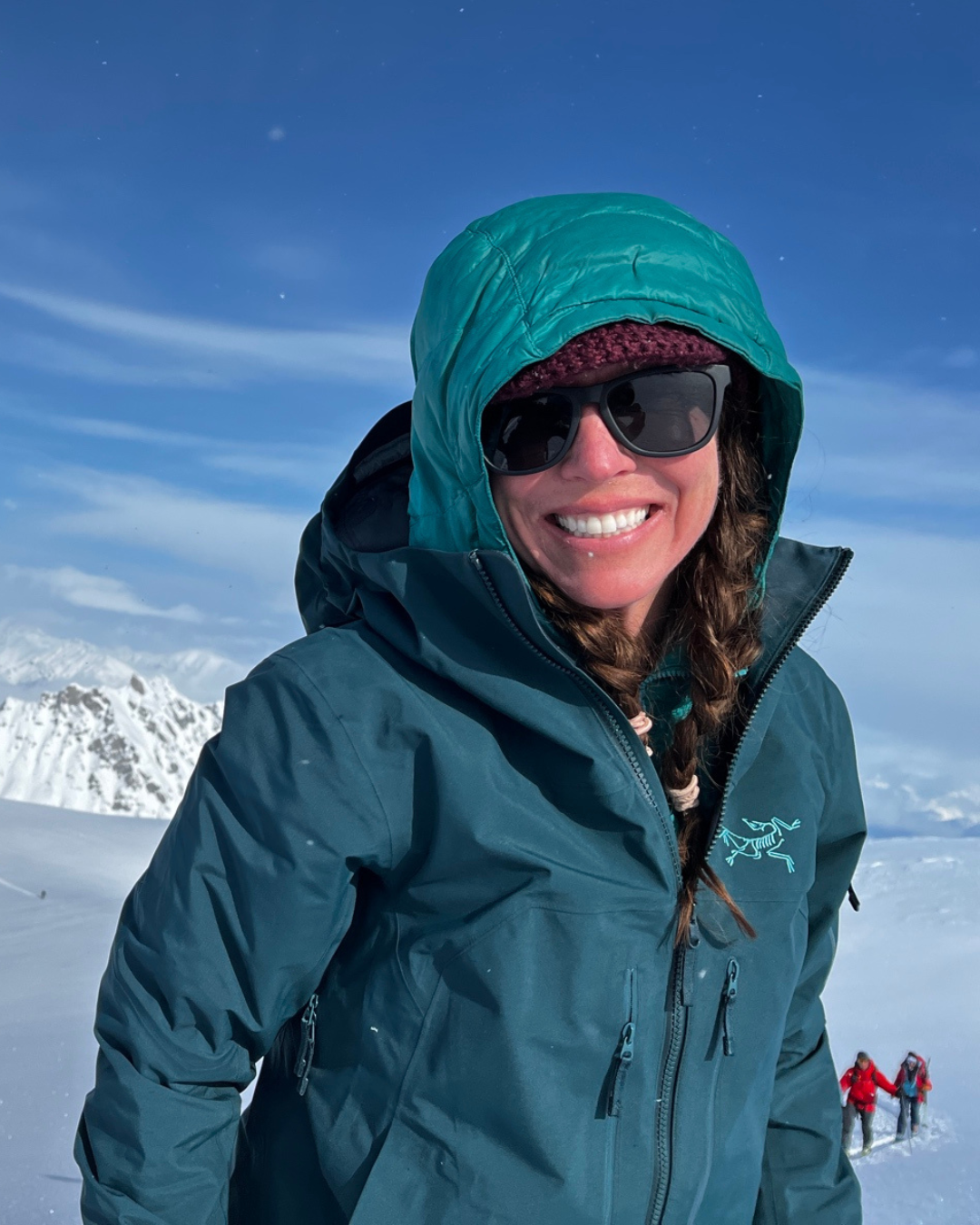
Cassidy writes about adventure, environment and people who expand human potential. She is the author of the award-winning epic Thirty Below (2025), about the first all-women's climb of Denali, as well as The Hard Parts, about para-olympian Oksana Masters. Thirty Below won the Banff Mountain Grand Prize, the Banff Award in Mountain Literature, and was long listed for the Reading the West award.
Her journalism and essays have appeared in Vanity Fair, Rolling Stone, Esquire, National Geographic, New York Times, TIME, Men’s Health, Outside, Forbes, and Men’s Journal, among others. She is a sought-after speaker on women’s empowerment and trailblazing, and storytelling around public lands and conservation.
She lives in Montana. When she's not hunched over my computer, she can often be found on adventures of her own.
Emphasis: Over two evenings, Cassidy will share readings and photos from her book Thirty Below, and the process behind its creation.
Entering the Conversation of Nature: The Art & Science of Animal Language
George Bumann, Sculptor
August 9th - 16th
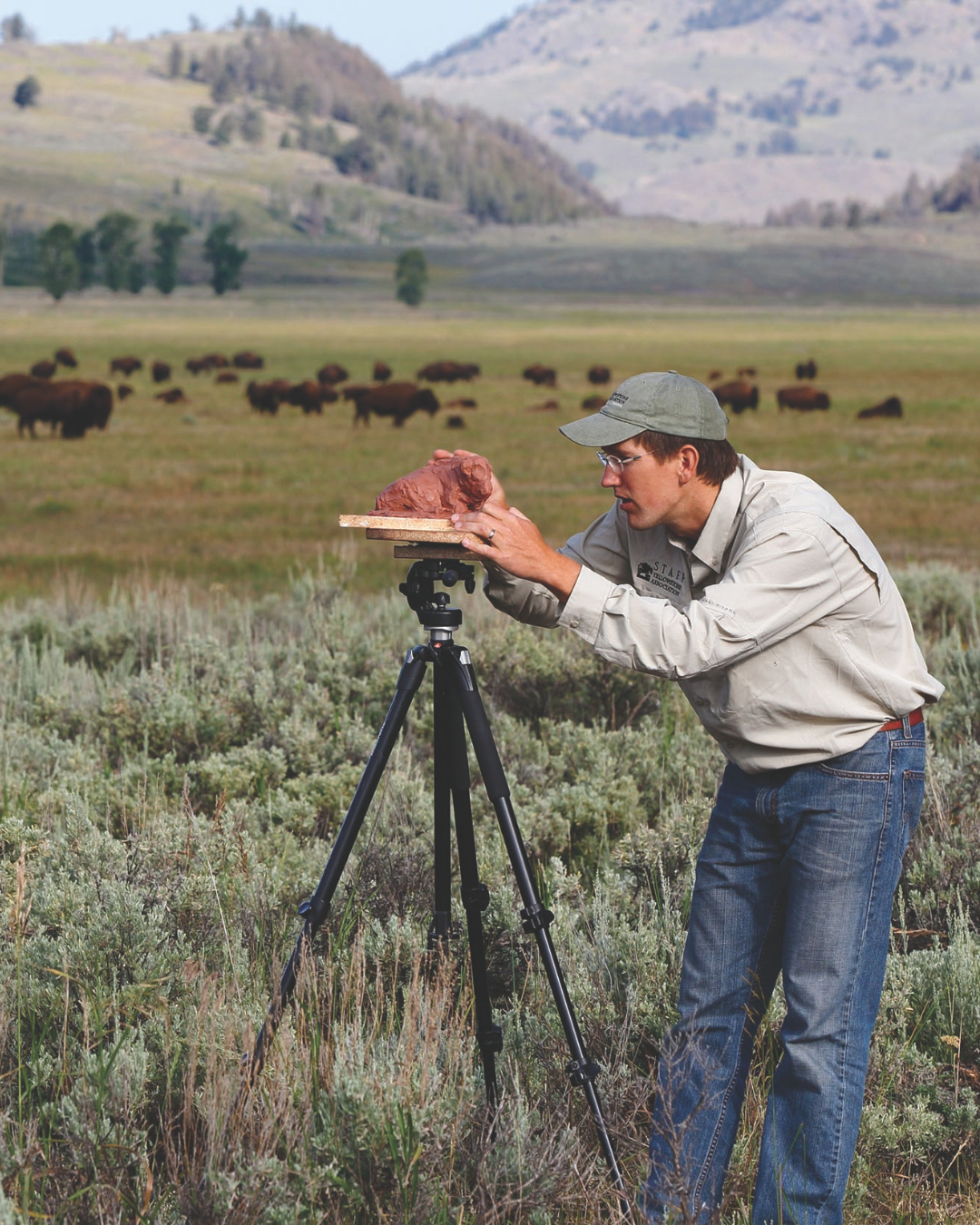
George Bumann (rhymes with ‘human’) is a professional sculptor living with his wife, young son, and black Labrador Hobbes, at Yellowstone Park’s northern entrance in Gardiner, Montana. A lifelong observer of nature, George holds both Bachelor’s and Master’s degrees in wildlife ecology and has worked in the fields of wildlife research, taxidermy, backcountry guiding, environmental consulting and has taught art and natural history programs for youth, adult, and university audiences for over three decades.
George’s work can be found in collections and exhibits throughout the United States and around the globe. His sculptures reside in the permanent collections of the National Museum of Wildlife Art in Jackson Hole, Wyoming, the Brinton Museum in Big Horn, Wyoming, the Booth Museum of Western Art in Cartersville, GA, and the C.M. Russell Museum in Great Falls, Montana. George’s art and educational outreach have been featured in publications such as the Salt Lake City Tribune, Los Angeles Times, Washington Post, Sacramento Bee, and on television, radio, and online through the Canadian Broadcasting Corporation (CBC), Travel Channel, Discovery Channel, and TEDx Bozeman. George is currently writing a book on the topic of animal language with Greystone Press.
Program Emphasis: By listening to the way wild animals communicate with each other, we have the ability to enter their world. Discover how even simple sounds and gestures from our wild neighbors can convey volumes of information. Learning to observe in a new way is not only incredibly fun, but can also add immeasurably to daily life. Seeing common places from uncommon perspectives gives us a deeper sense of what it means to be truly "at home” and opens the door to experiencing new and transformative encounters with our wild neighbors.
George’s evening programs will combine art, science, and tens of thousands of hours of field observations with cutting-edge science from across the globe to help you experience the more than human world in Denali, at home, or anywhere you travel in a deeper way.
Kes Woodward, Artist, Professor of Art Emeritus, University of Alaska, Fairbanks
Painting in Alaska
August 16th - 23rd
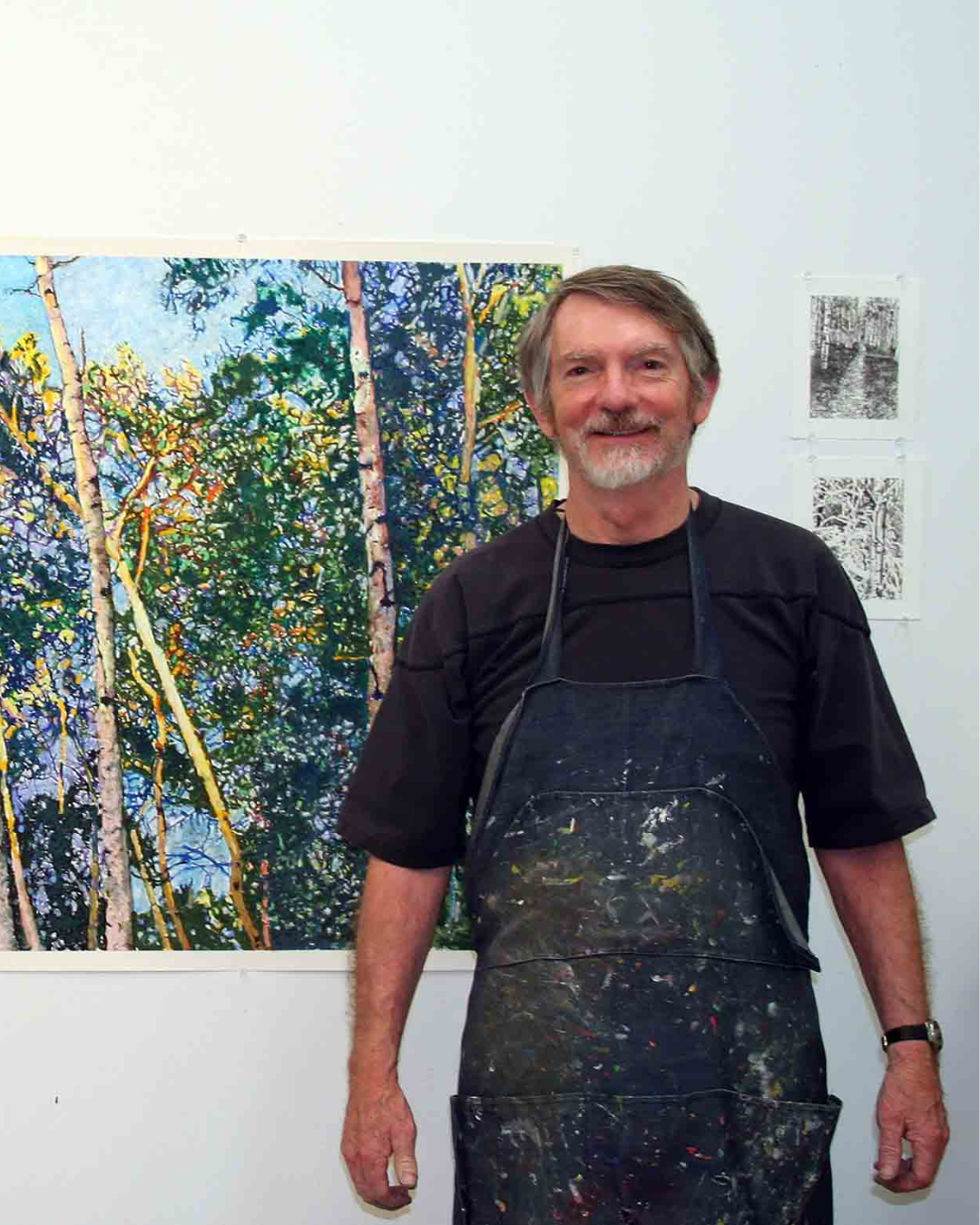
One of Alaska’s best-known artists, Kesler Woodward is equally well known for his work as an art historian and curator. Mr. Woodward served as Curator of Visual Arts at the Alaska State Museum and as Artistic Director of the Visual Arts Center of Alaska before moving to Fairbanks in 1981. He taught for two decades at the University of Alaska, Fairbanks before retiring in 2000 to paint full time.
Mr. Woodward’s paintings, depicting scenes from Hudson Bay in Arctic Canada to the Bering Strait region of Russian Siberia, are included in all major public art collections in Alaska and in museum, corporate, and private collections. In 2002, he served as Denali National Park’s first Artist-in-Residence.
He has published six books on Alaskan art, including the first comprehensive survey of the fine arts in Alaska, Painting in the North. In 2004, Woodward received the Alaska Governor’s Award for Lifetime Achievement in the Arts, and in 2012 received the Rasmuson Foundation Distinguished Alaskan Artist Fellowship.
Emphasis: Evening programs will explore the key role artists played in the rise of the conservation movement in America and the establishment of virtually all of America’s first national parks; artists’ depictions of Alaska and the circumpolar North; and contemporary artists’ images of Denali and environs.
Bathsheba Demuth, Writer and Environmental Historian
An Environmental History of the North
August 9th - 16th
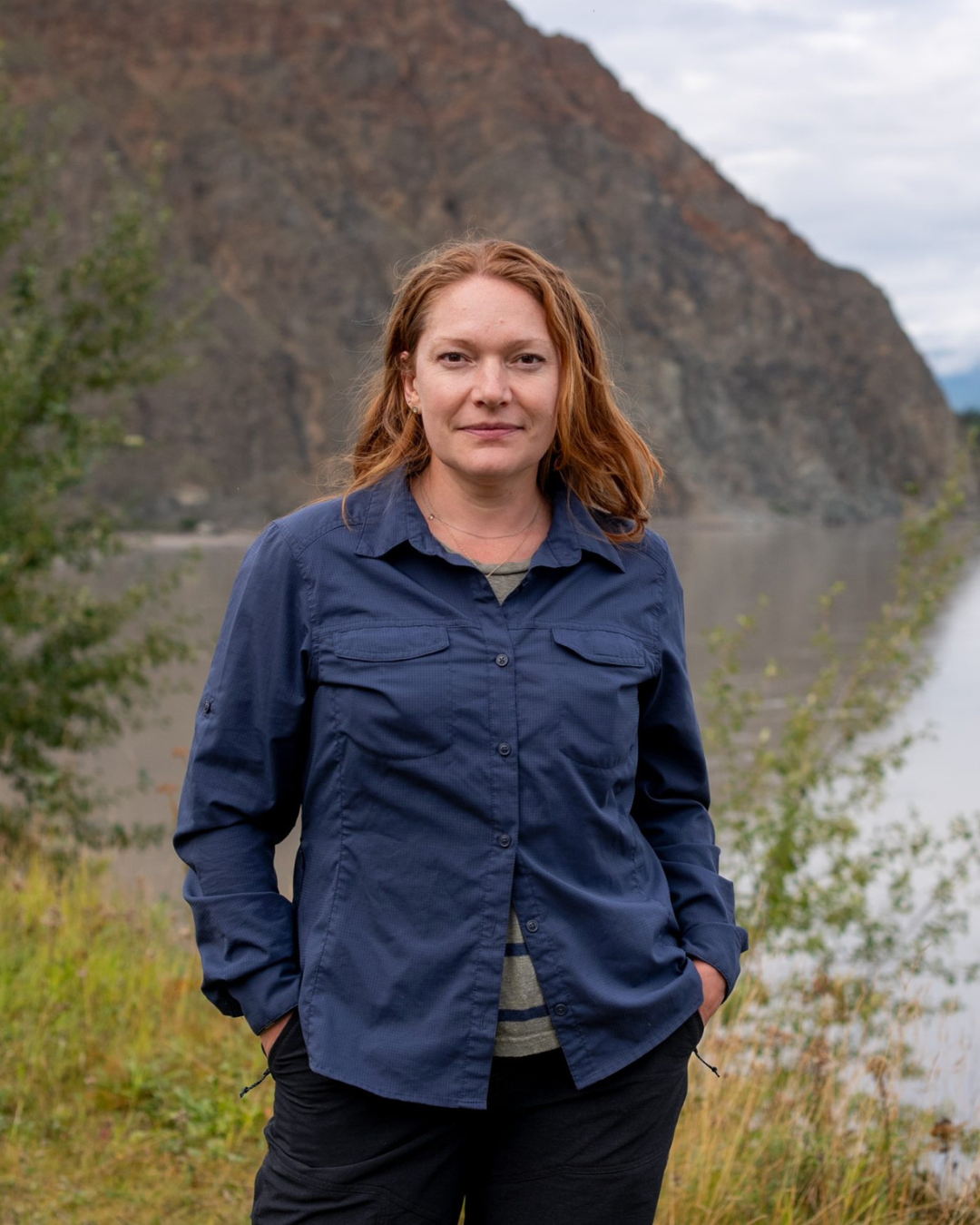
Bathsheba Demuth is a writer and environmental historian specializing in the lands and seas of the Russian and North American Arctic. Her work addresses how ecologies and people change each other over time, paying particular attention to our relationship with animals, the role of ideas and law in shaping how we relate to the world, and Indigenous modes of science and history. Her interest in the north started when she was eighteen and moved to the Gwich'in village of Old Crow, in the Yukon, where she trained sled dogs for several years. Her first book, Floating Coast: An Environmental History of the Bering Strait, won multiple awards and was named a best book by NPR, Nature, and other publications. Currently, she is writing a biography of the Yukon River watershed from the beginning of colonization to the era of climate change, and has spent the last several years traveling the river by boat and dog team, and in archives around the world.
Bathsheba's writing has appeared in publications from The New Yorker and Granta to The Best American Science and Nature Writing, as well as academic venues. She teaches creative writing alongside history and environmental studies classes, as well as a field-based course where students canoe 150 miles of the Yukon River through the University of Alaska Fairbanks Climate Scholars Program. When not in the north, she lives in Providence Rhode Island, where she is the Dean’s Associate Professor of History and Environment and Society at Brown University.
Emphasis: Bathsheba will share about the past and present lives of salmon and people along the Yukon River, and the role of sled dogs in shaping—or thwarting—Russian and British imperial ambitions in Alaska, as well as how she combines the tools of a historian and a creative writer, collaboration across disciplines and cultures, and why paying attention is key to staying alive. She will also gladly enthuse at any time about her favorite Alaskan animals, from bowhead whales to beavers.
Milo Burcham, Biologist & Photographer
Autumn Photography Session
August 30th - September 6th
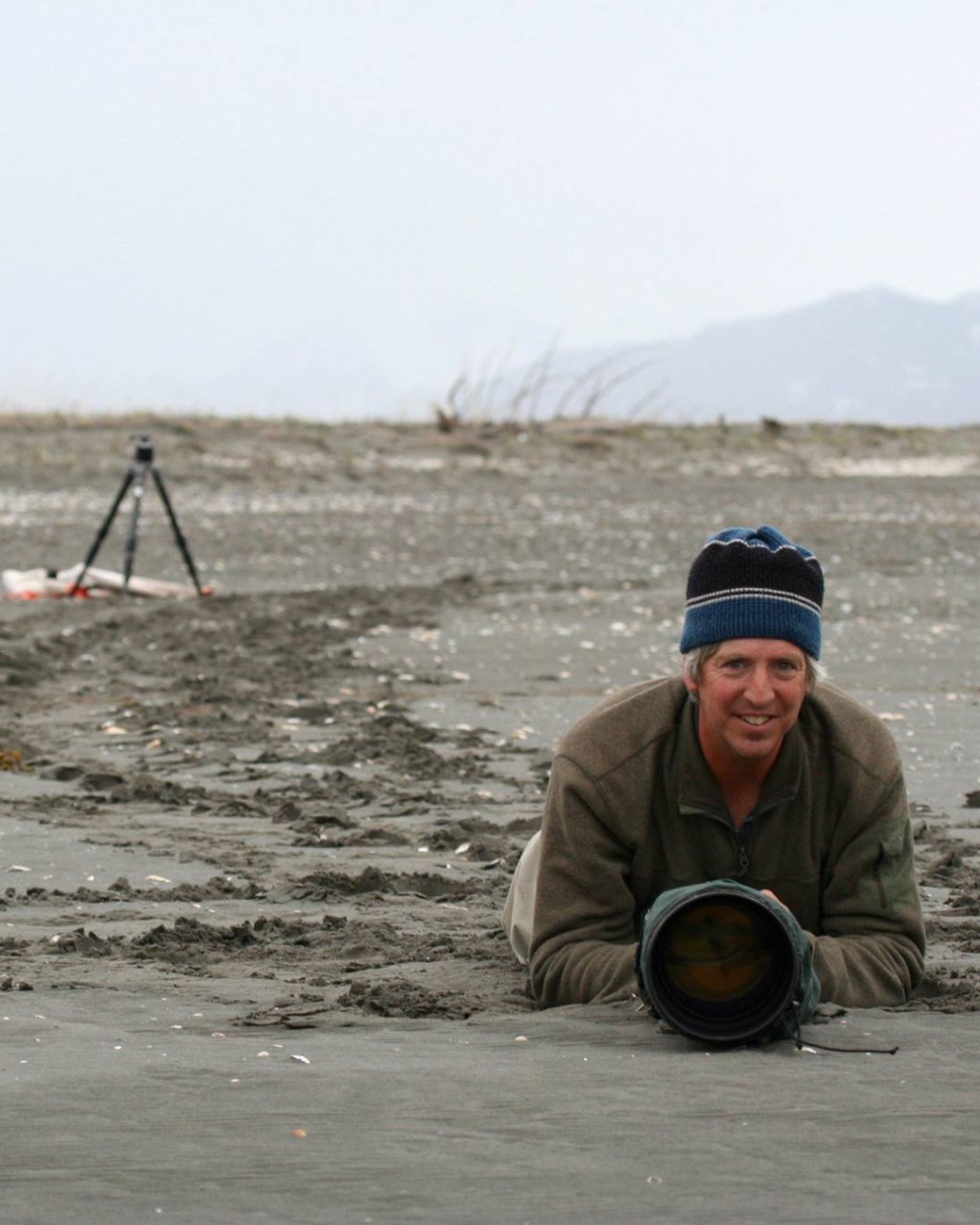
Milo is a wildlife biologist working for the U.S. Forest Service in Cordova, Alaska, studying black bears in the region. Much of his past research has been with ungulates, especially moose and elk, and he has also worked with bristle-thighed curlews on a remote Pacific Island, owls in the mountains of Montana, and grizzly and black bears in Montana, British Columbia, and Alaska. These experiences have alerted him to many conservation issues and the importance of how humans interact with wildlife.
He has photographed wildlife for over 20 years and published images in National Geographic, Audubon Magazine, Ranger Rick, Time, Sports Afield, Outdoor Life, Alaska Airlines, and many other local, national, and international publications. He has worked with a BBC crew on the television series Planet Earth on the Tibetan Plateau, and photographed wildlife in the Rocky Mountains, desert southwest, Florida's wetlands, and rainforests of Costa Rica and Ecuador, and Australia
Milo tries to photograph just about everything that lets him, but has particular interest in documenting lesser photographed species, and those with conservation concerns. His photographs feature almost exclusively wild subjects.
He and his wife Paula spend as much time as possible in their small boat on Prince William Sound fishing for halibut and salmon or looking for whales and bears.
Emphasis: Milo will lead our hands-on photography workshop, combining instruction in technique with immersive time in the field. Guests will join him on daily guided outings into Denali’s tundra and wilderness, where he will share tips for capturing the park’s dramatic landscapes, wildlife, and light. His evening programs will focus on the importance of art and photography for conservation.